Wearables
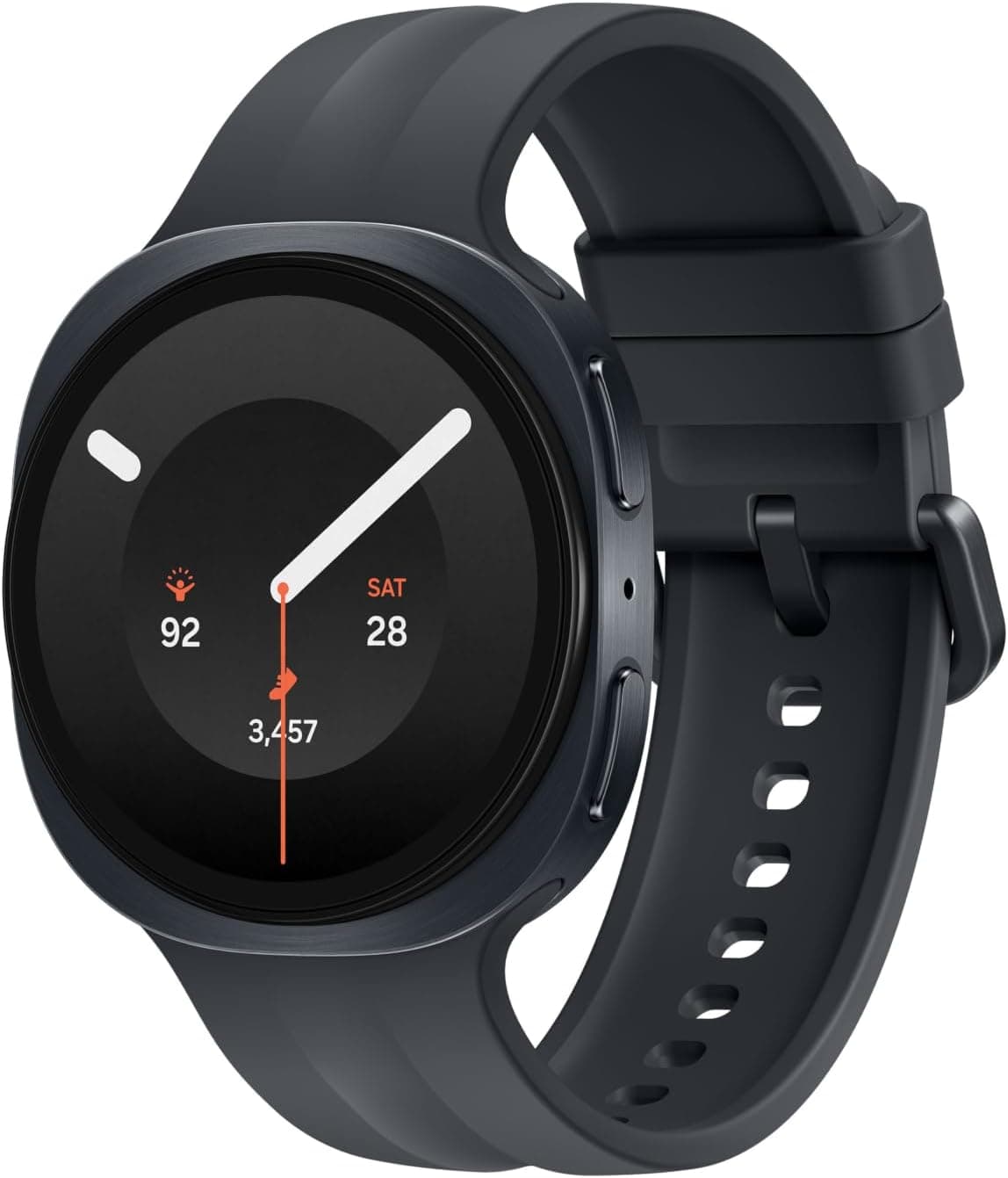
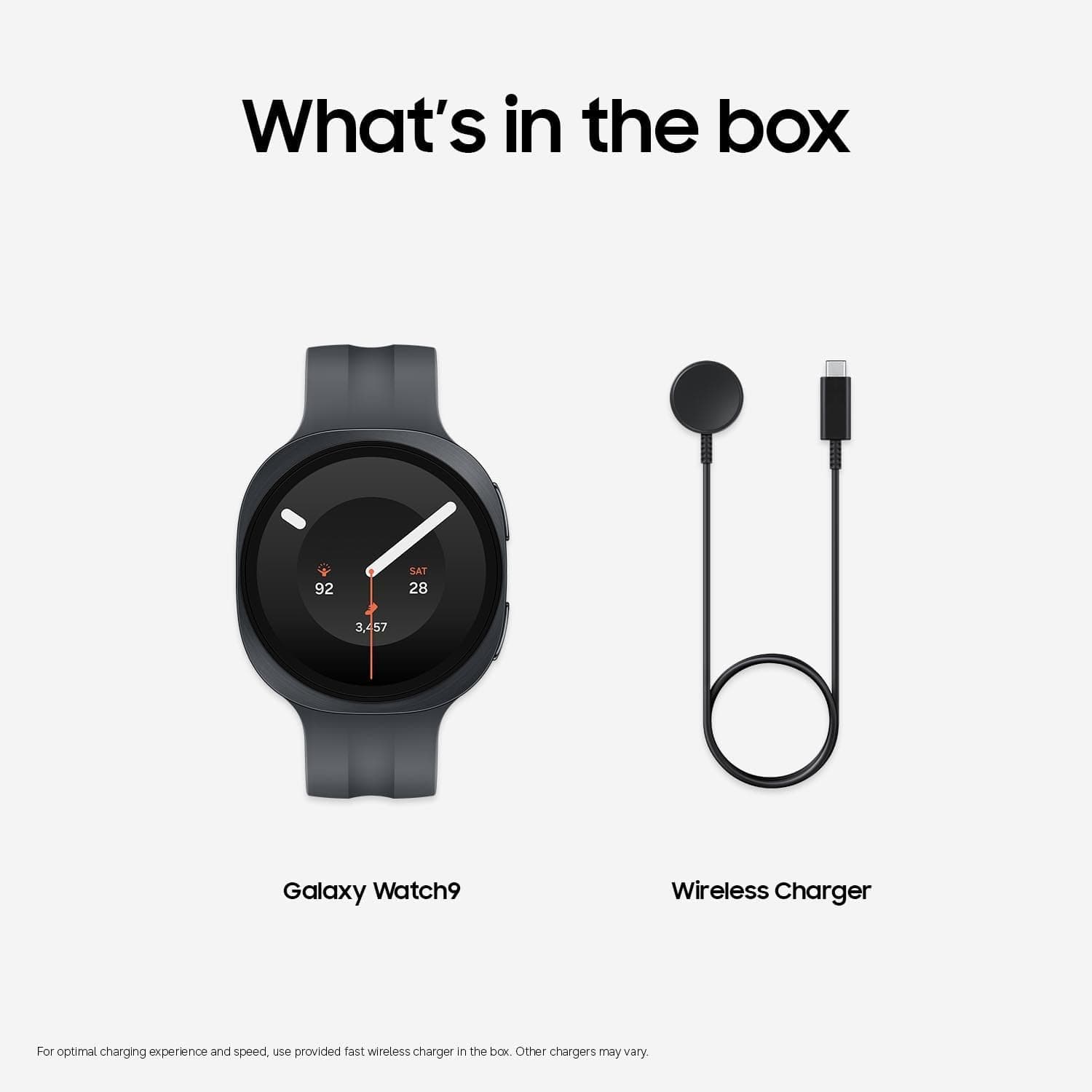
Samsung Galaxy Watch9
Samsung's Android smartwatch from $379.99, with a 3,000-nit sapphire display, FDA-cleared sleep apnea detection, Energy Score and Google Gemini on the wrist.
Affiliate disclosure: we may earn a commission from eligible partner links. Read our affiliate disclosure
At a glance
- Best forAndroid users wanting a full smartwatch with deep health tracking
- PricingOne-off purchase from $379.99; LTE models from $429.99
- TrialNo trial — the watch is bought outright
- PlatformAndroid only; some features need a Samsung Galaxy phone
- Key differentiatorSamsung Health's sensor suite and Galaxy AI on Wear OS, with several features needing a Samsung phone
Quick take
Galaxy Watch9 is Samsung's mainstream Android smartwatch, and the health stack is the reason to look at it: FDA-cleared sleep apnea risk detection, ECG, cuff-calibrated blood pressure, Energy Score and the new Vitals readings. It runs Wear OS with the Play Store, so apps and notifications work as expected, and Gemini answers from a raised wrist. The catch is the ecosystem: there is no iPhone support, and several headline features need a Samsung Galaxy phone, not just any Android one.
Good fit if
- You use an Android phone, especially a Samsung Galaxy
- You want a full smartwatch with apps, notifications and calls
- You want sleep tracking with FDA-cleared sleep apnea risk detection
- You want daily readiness through Energy Score and recovery guidance
- You want Google Gemini and Samsung Health coaching on the wrist
Consider another option if
- You use an iPhone — Galaxy Watch9 does not support it
- You want multi-day battery rather than charging most days
- You want a screen-free band or ring you can forget you are wearing
- You want every health feature without needing a Samsung phone
Key facts
- PriceFrom $379.99; LTE from $429.99
- DisplaySapphire crystal, up to 3,000 nits
- Battery lifeAbout 40 hours without always-on display
- PlatformAndroid only; Samsung phone for some features
- SubscriptionNone required
- Water resistanceIP68; 5 ft for up to 30 minutes
- Core focusAndroid smartwatch with health and AI features
- Case sizes40 mm and 44 mm
About Samsung Galaxy Watch9
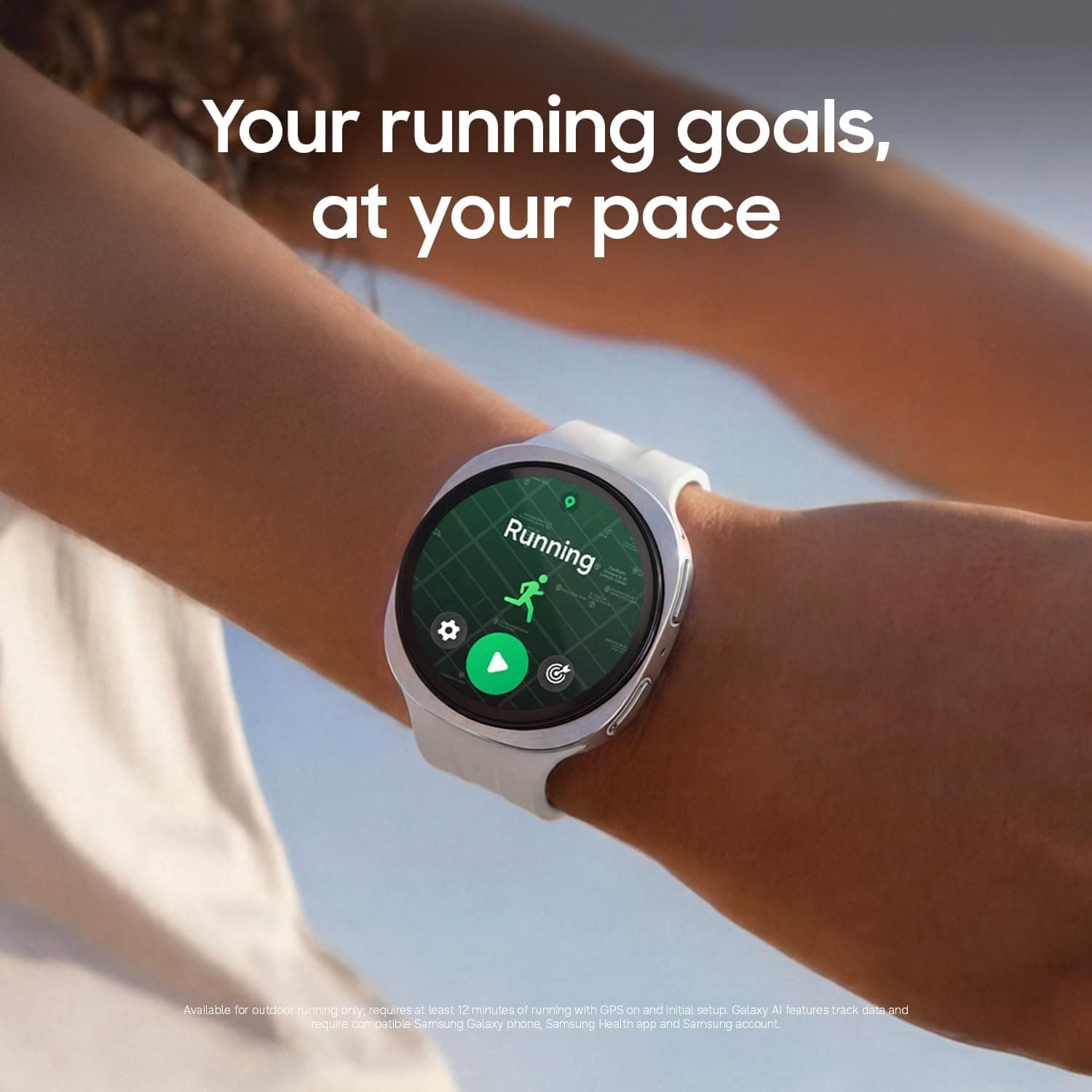
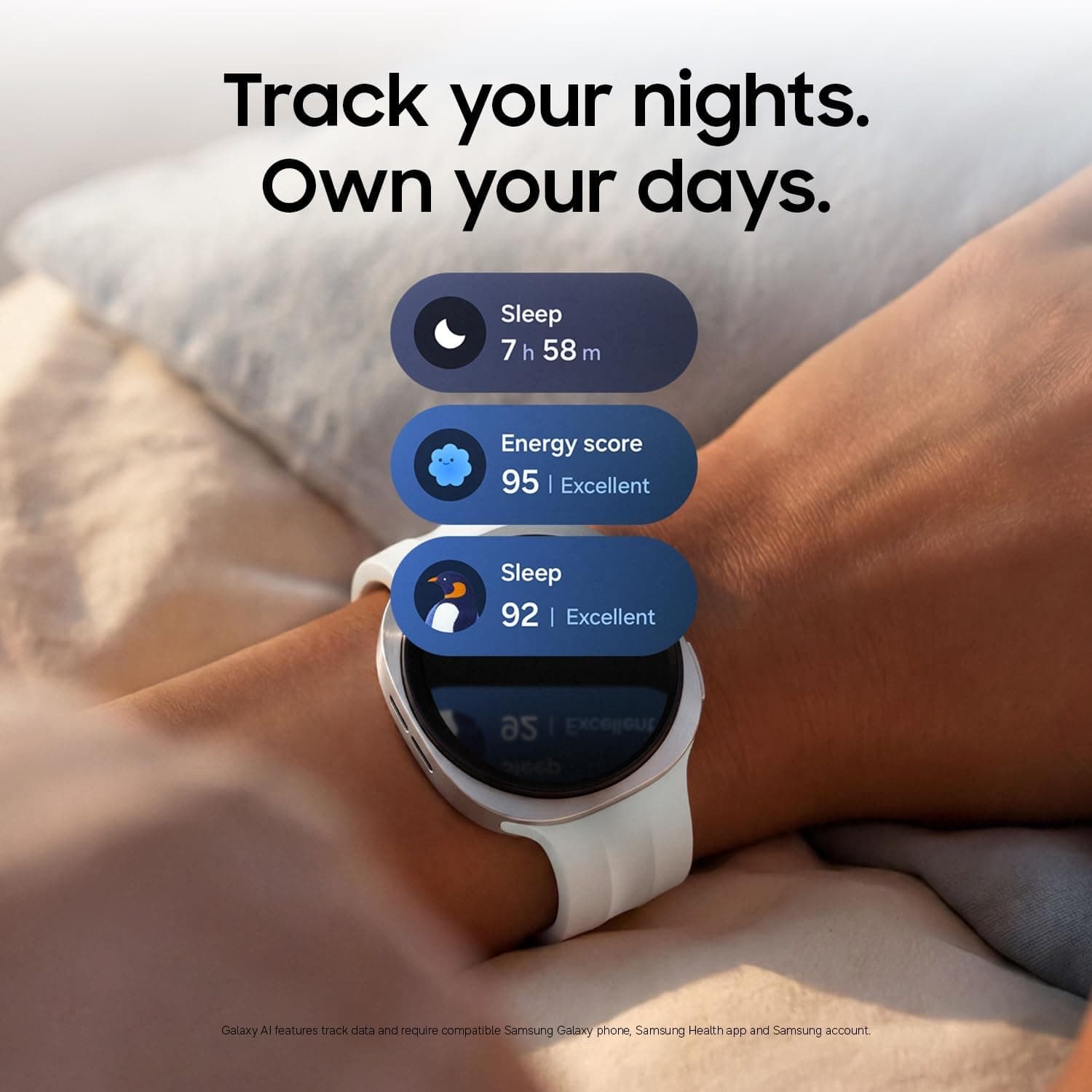
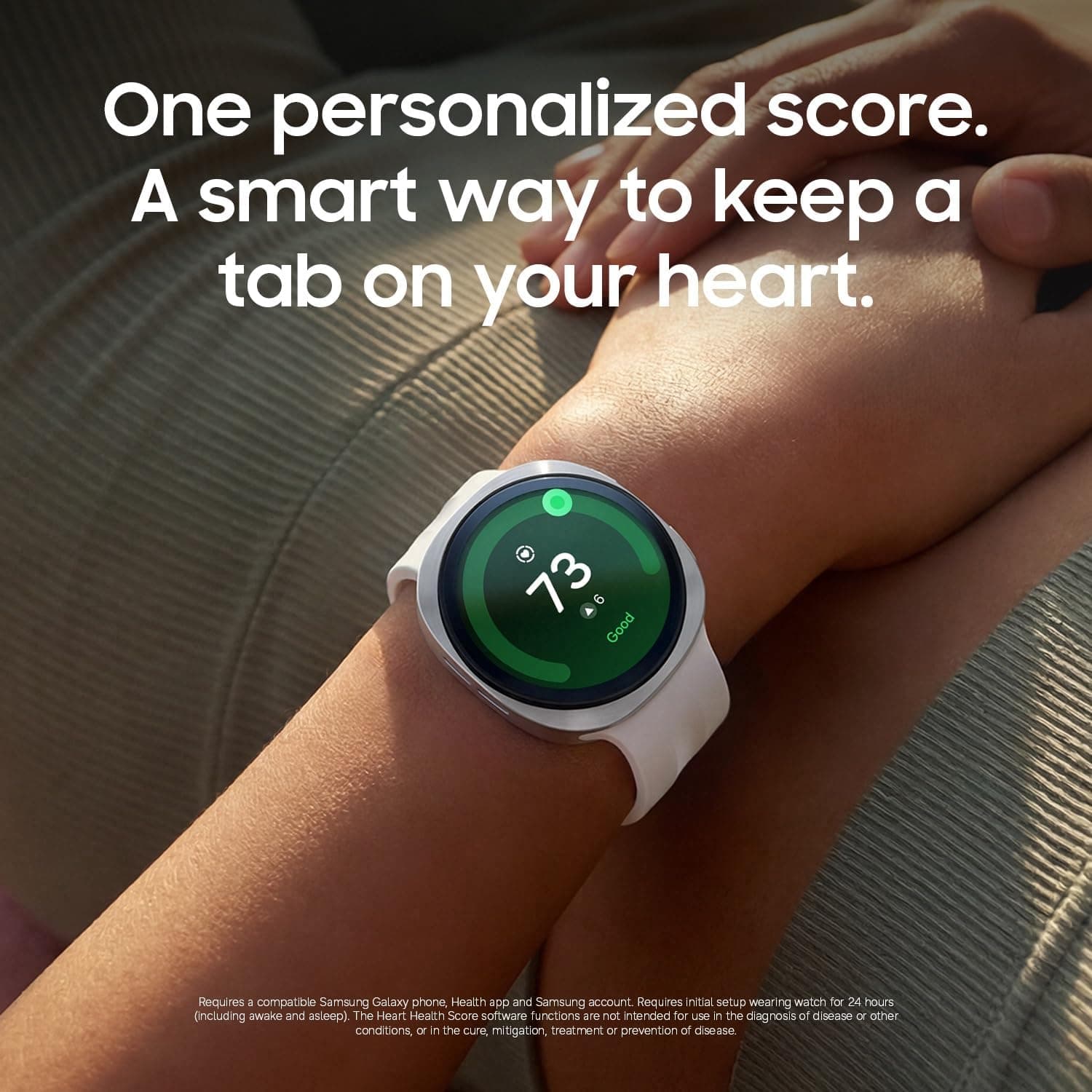
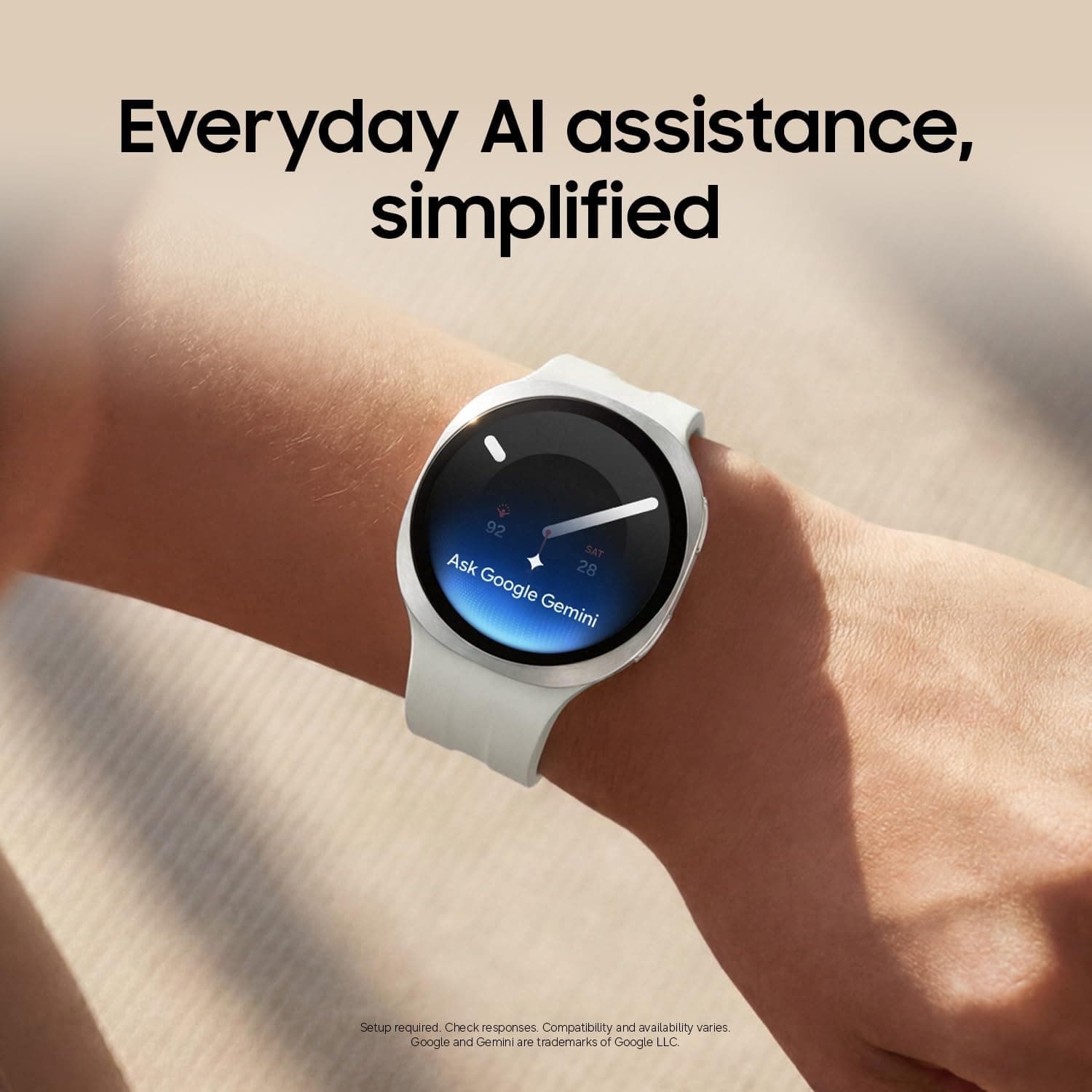
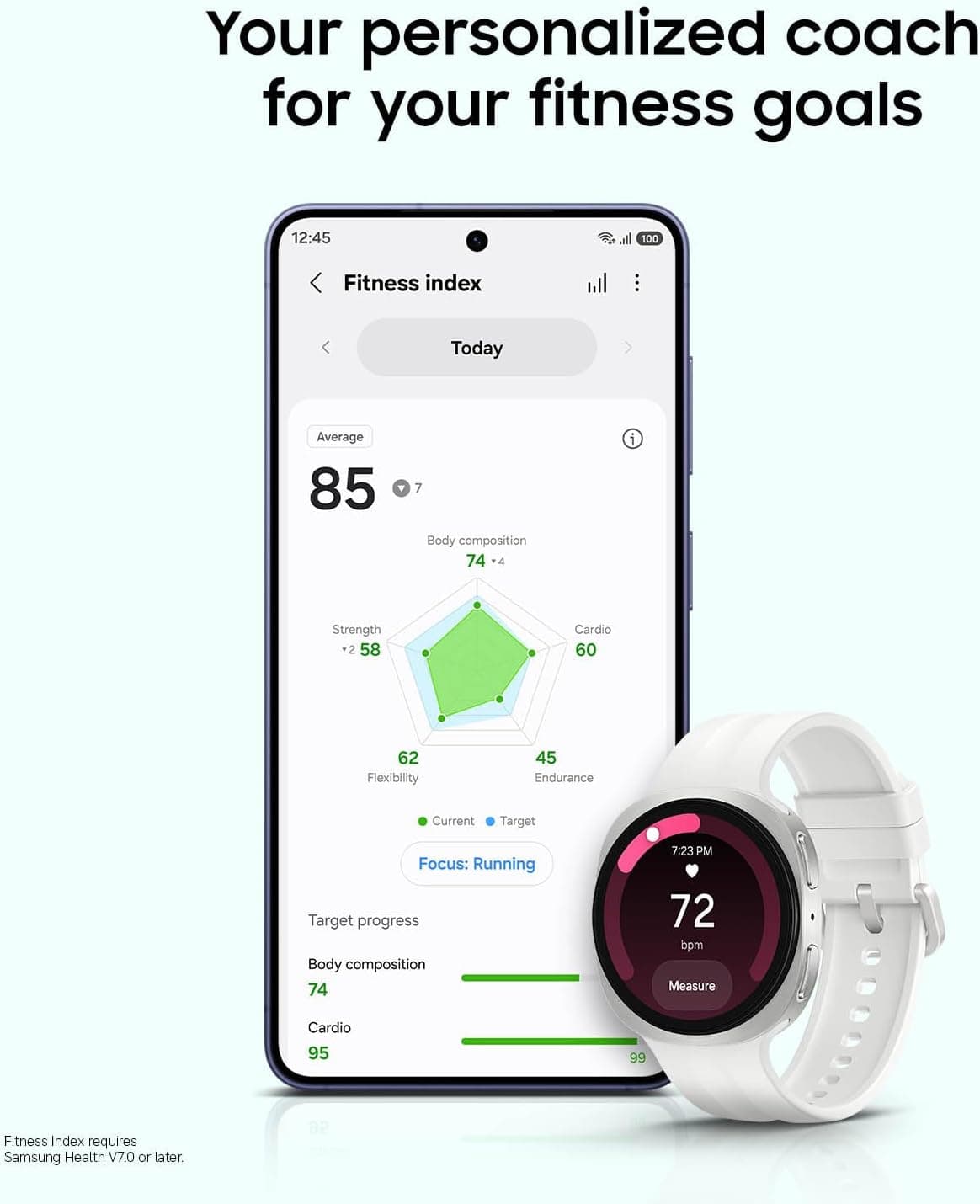
Overview Samsung Galaxy Watch9 is the mainstream model in Samsung's smartwatch range, sitting below the Watch Ultra2 and aimed at everyday Android users rather than endurance athletes. It runs Wear OS with Google Play Store access, carries Samsung's health sensor suite and the Samsung Health app, and adds Google Gemini as a voice assistant you reach by raising your wrist. Prices start at $379.99 for the 40 mm Bluetooth model, with LTE versions from $429.99. It is an Android device: Samsung documents Android requirements throughout, and several of its headline features ask for a Samsung Galaxy phone specifically. Design and display Two sizes, 40 mm and 44 mm, in Samsung's cushion-shaped case. The 40 mm comes in Cream and Graphite, the 44 mm in Silver and Graphite. Samsung puts the case at 8.6 mm thick with a 14 g band, against 9.7 mm and 22 g on the Galaxy Watch7, and describes a Dynamic Lug System that pulls the band closer to the wrist to keep the sensors in contact. The display is covered in sapphire crystal and Samsung states a brightness of up to 3,000 nits for readability in sunlight. Bands come in Sport, Misty and Fabric versions, and watch faces are customisable, including a Portrait face that blends a photo with the watch elements. Performance Galaxy Watch9 is the first Galaxy Watch to use the Snapdragon Wear Elite Platform, which Samsung credits with faster app launches and smoother everyday interaction. Battery capacity is 390 mAh on the 40 mm and 445 mAh on the 44 mm, which Samsung describes as 20% larger than the Galaxy Watch8 40 mm model. Connectivity covers Bluetooth 6.0, with LTE on the LTE models for calls without the phone nearby, subject to country, region and carrier. Health tracking This is where the watch concentrates. Vitals is the newest piece: Samsung states it analyses heart rate, heart rate variability, respiration rate, skin temperature and blood oxygen to detect early signals of change in the body. Energy Score is the daily readiness figure, built from recent sleep, activity and heart rate during sleep. Alongside those sit an Antioxidant Index based on Advanced Glycation End-products, body composition through bioelectrical impedance analysis covering weight, body fat, BMI, skeletal muscle, body water and basal metabolic rate, and cycle tracking. Several of these have specific setup requirements, covered under Important considerations below. Sleep tracking Sleep is the clearest story on the product. Samsung reports sleep duration and a sleep score, adds Bedtime Guidance that suggests a wind-down window, and runs a Sleep Coaching programme of three to four weeks that learns your patterns before offering tailored guidance. Bedtime Guidance needs three nights of tracking and an optimal wake-up time set in Samsung Health. The headline feature is sleep apnea risk detection, which Samsung states is regulated by the U.S. FDA as a medical device and monitors blood oxygen through the night to flag signs of moderate to severe obstructive sleep apnea risk. Heart health The watch carries an ECG app and an irregular heart rhythm notification feature, both with age limits set out below. Heart Health Score is a separate, broader reading: Samsung states it draws on four daily factors, how long you sleep, blood pressure trend, body mass index and the amount of vigorous activity, and describes the focus as prevention and healthy habits rather than medical diagnosis. The blood pressure function works by trend and needs a third-party cuff for calibration, which is the detail most worth understanding before buying on the strength of it. Fitness and workouts Fitness Index gives a personalised fitness score calculated from body composition and workout history, and points to workout content matched to that level. Daily Cardio Load measures accumulated physical strain through the day from exercise intensity and duration, then estimates the recovery time your body needs, tailored to your goals rather than a fixed figure. Running Coach adds structured guidance for outdoor running; Samsung states it needs at least 12 minutes of running with GPS on plus an initial setup. GPS and activity GPS is on the watch, so outdoor sessions are recorded without the phone, and Running Coach depends on it. Samsung also lists fall detection, which requires a network connection to notify an emergency contact and which Samsung states is not intended to diagnose, cure, mitigate, treat or prevent disease. Smartwatch features Because Galaxy Watch9 runs Wear OS, it behaves as a general-purpose smartwatch rather than a tracker with a screen. The Google Play Store is available, with apps including Google Maps, Gmail, Strava, Spotify, Google Messages and YouTube Music. Notifications, calls and NFC payments work as expected on a watch of this class, and the LTE models can stay connected when the phone is elsewhere. Watch faces and bands are interchangeable. Galaxy AI and Gemini Google Gemini is built in, and Samsung's Raise to Talk gesture starts a voice conversation by lifting your wrist, with no wake word or button. Samsung notes the gesture can sometimes trigger Gemini unintentionally through ordinary arm movement, and that Gemini requires a Google Gemini account and works with select apps. Separately, Samsung states that Galaxy AI features track data and require a compatible Samsung Galaxy phone, the Samsung Health app and a Samsung account, which is the clearest example of the watch working better inside Samsung's own ecosystem than on Android generally. Battery life Samsung publishes capacity rather than a headline runtime figure on the product page: 390 mAh on the 40 mm and 445 mAh on the 44 mm. Responding to a customer review on its own product page, Samsung's support team states roughly 40 hours of use without the always-on display, and up to 30 hours with it enabled. That is a support response rather than a published specification, so treat it as indicative. Either way this is a watch charged every day or two, not a multi-day device. Samsung Health ecosystem Samsung Health is where the data lives and where the coaching sits, and it is free: no subscription is required to use the watch or its health features. Two optional paid services sit alongside it. Premium workout content in Samsung Health is powered by iFIT and needs a paid subscription, offered with a 60-day promotional period, and Samsung has run a 60-day Strava trial for eligible owners that converts to a paid annual subscription unless cancelled. Neither is needed for the health and sleep features described above. Who it may suit Galaxy Watch9 may suit an Android user, particularly a Samsung Galaxy owner, who wants one device for apps, calls, notifications and a genuinely deep set of health readings, and who is content to charge it daily. It suits people who want sleep apnea risk detection with FDA clearance and a readiness score without paying a subscription. It does not suit iPhone users at all, it suits anyone wanting multi-day battery considerably less well, and anyone who wants every feature on a non-Samsung Android phone should check the requirements first. Important considerations Several features carry requirements and limits worth knowing before buying. Samsung states that Vitals requires a compatible Samsung Galaxy phone, the Health app and a Samsung account, plus an initial setup of wearing the watch for 7 of 28 nights, and that the Vitals functions are not intended for use in diagnosing disease or other conditions. Heart Health Score has the same Samsung phone, app and account requirement, a 24-hour setup period, and the same non-diagnostic limitation. The ECG Monitor App is intended for adults 22 and over, is not intended for users with known arrhythmias other than atrial fibrillation, and Samsung states it is not intended to replace traditional methods of diagnosis or treatment; the irregular rhythm notification is not intended to flag every episode, and the absence of a notification does not indicate that no disease is present. The blood pressure function requires initial and periodic calibration every 28 days using a third-party blood pressure cuff sold separately, works with Android 12 or later and Wear OS 4.0, and is not intended for diagnosis, cure, mitigation, treatment or prevention of disease. The sleep apnea feature is regulated by the U.S. FDA as a medical device and is intended to notify of sleep apnea risk in users not previously diagnosed. Bedtime Guidance requires Android 13 or above and Samsung Health 6.30 or above. The Antioxidant Index is not intended for detection, diagnosis or treatment of any condition and is for personal reference only. Body composition analysis is not intended to diagnose or treat a medical condition. Cycle Tracking is explicitly not intended for contraception and not intended for users under 18. Users should not interpret or act clinically on any of these outputs without consulting a qualified healthcare professional. Prices, promotions and feature availability change; confirm current terms on Samsung's own site before buying.
Gallery
Alternatives
Apple Watch Series 12
Apple's flagship smartwatch from $399: a full watch with apps and notifications, plus a redesigned health sensing system, readiness and sleep scores.
View productGarmin Venu 4
A fitness and wellness smartwatch from $549.99 with an AMOLED display, multi-band GPS and up to 12 days of battery, working with both iPhone and Android.
View productGoogle Fitbit Air
Google's smallest screenless tracker: a $99.99 band that monitors heart rate, sleep and SpO2 around the clock through the Google Health app.
View product