Robot Vacuums
What kind of robot vacuum are you looking for?
Robot vacuums are sold on numbers that are not measured the same way. One maker publishes pascals against a named IEC test, another against its own lab, two publish no figure at all and call it industry-leading. So these pages compare the things the makers actually state: whether it mops, what the mop physically is, whether the dock washes it or only empties the bin, how it finds its way around, and what it costs. Where a figure is missing, it is missing here too. Every figure comes from the manufacturer's own documentation — how we evaluate products.
Vacuum-only robots
Nothing to maintain beyond the dust bin ↔ floors still have to be mopped by hand.
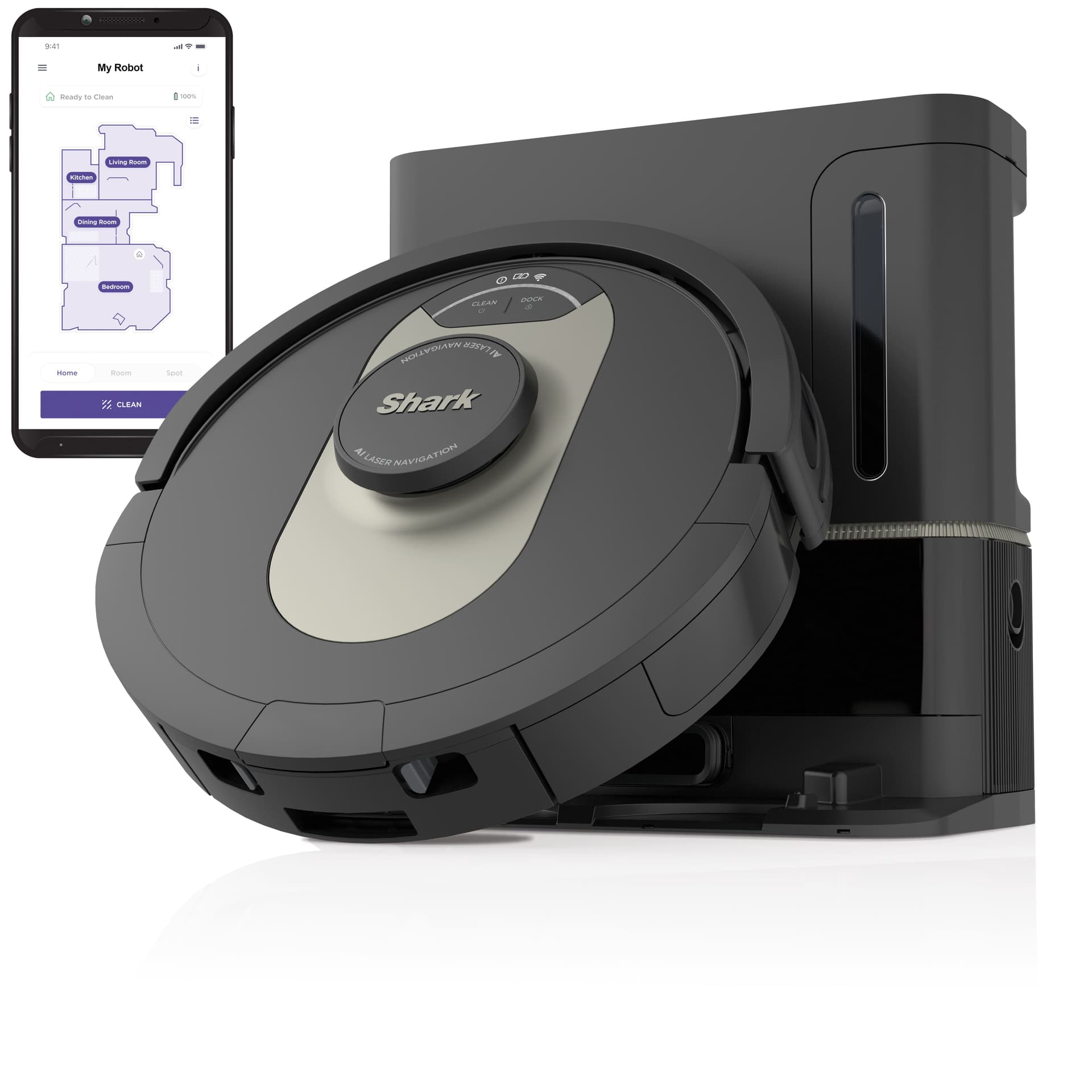
Vacuum-and-mop robots
One machine for both jobs ↔ a dirty pad you wash yourself after every run.
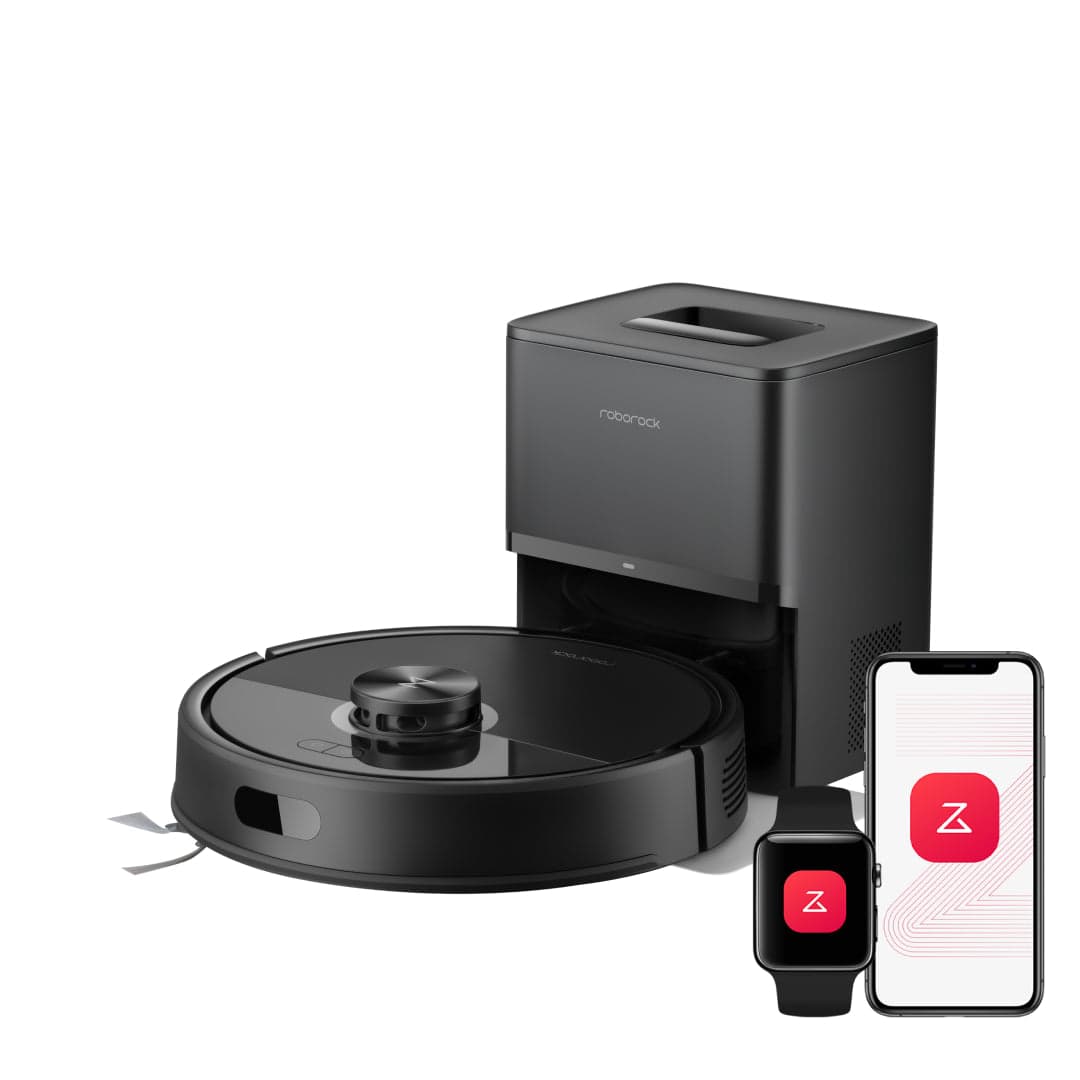
Self-washing mop robots
The maintenance moves into the dock ↔ a much larger station on the floor, and a water tank to fill and empty.
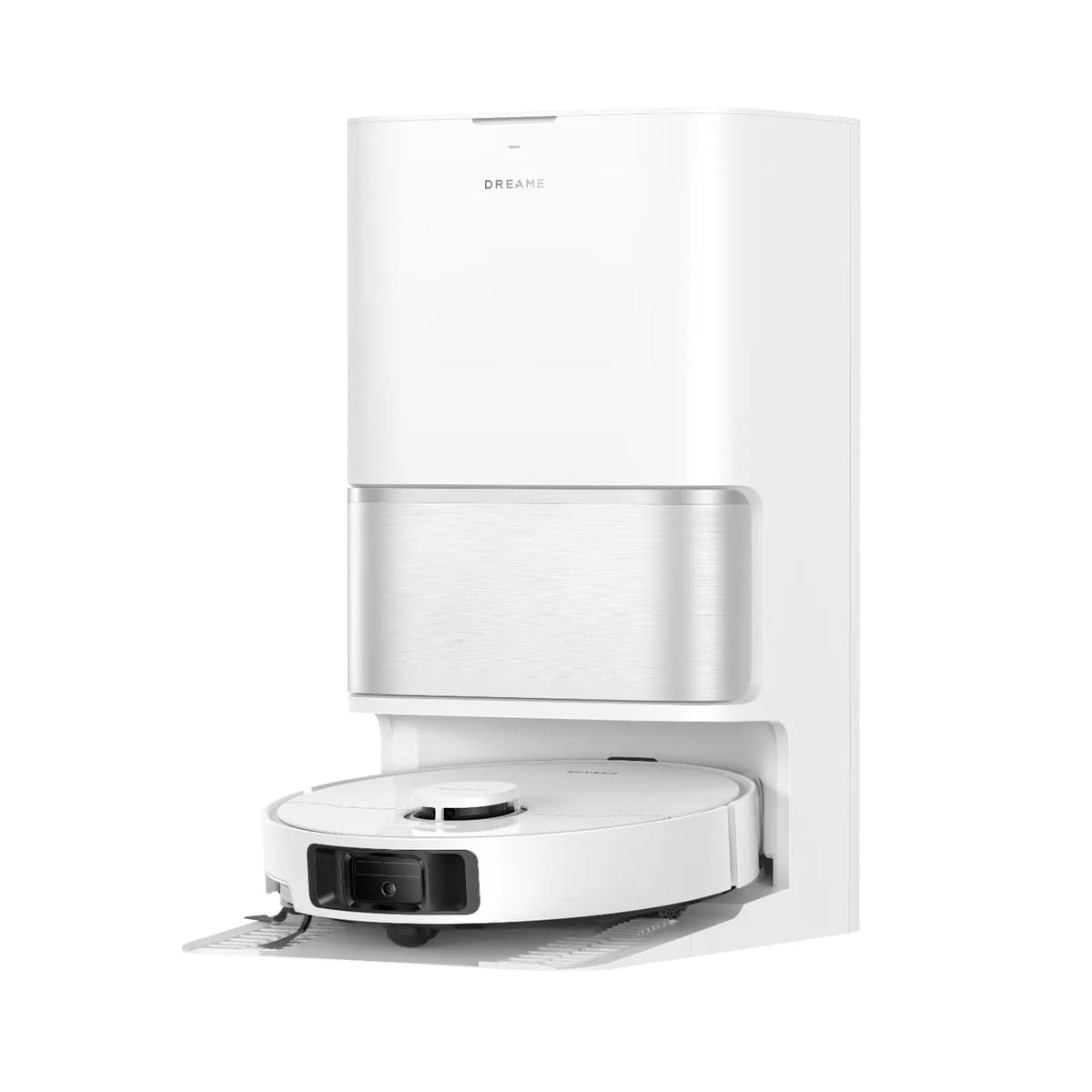
Dreame L40 Ultra Gen 2
Robot Vacuums
Dreame’s L40 Ultra Gen 2: 25,000 Pa from in-house lab data, 10.5 mm mop lift, a 2 cm crossing height and a 3.2 L bag put at 100 days.
View product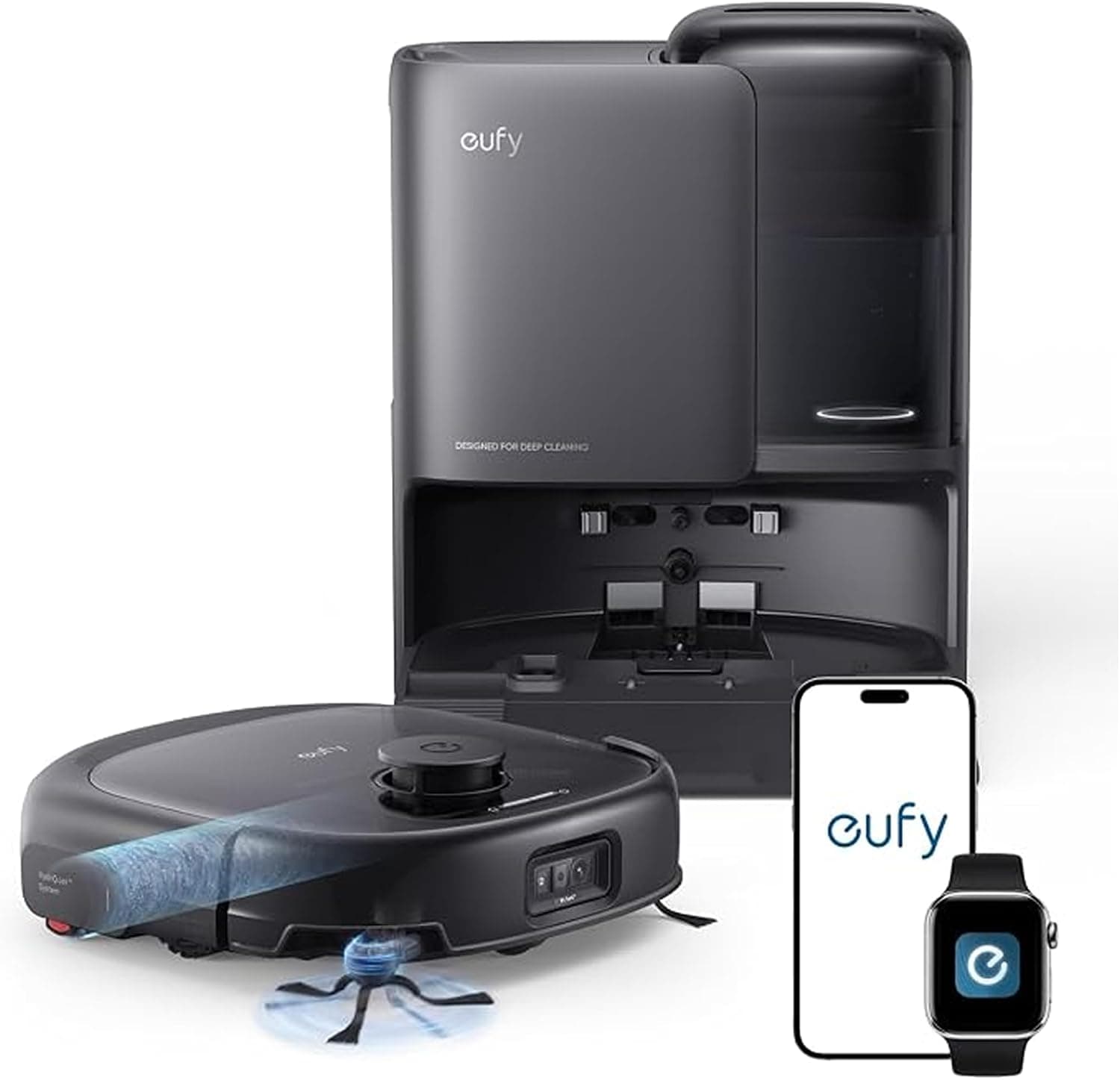
eufy Robot Vacuum Omni E25
Robot Vacuums
eufy’s HydroJet roller mop: a roller eufy says cleans itself 120 times a minute, with 20,000 Pa suction and an extending corner arm.
View product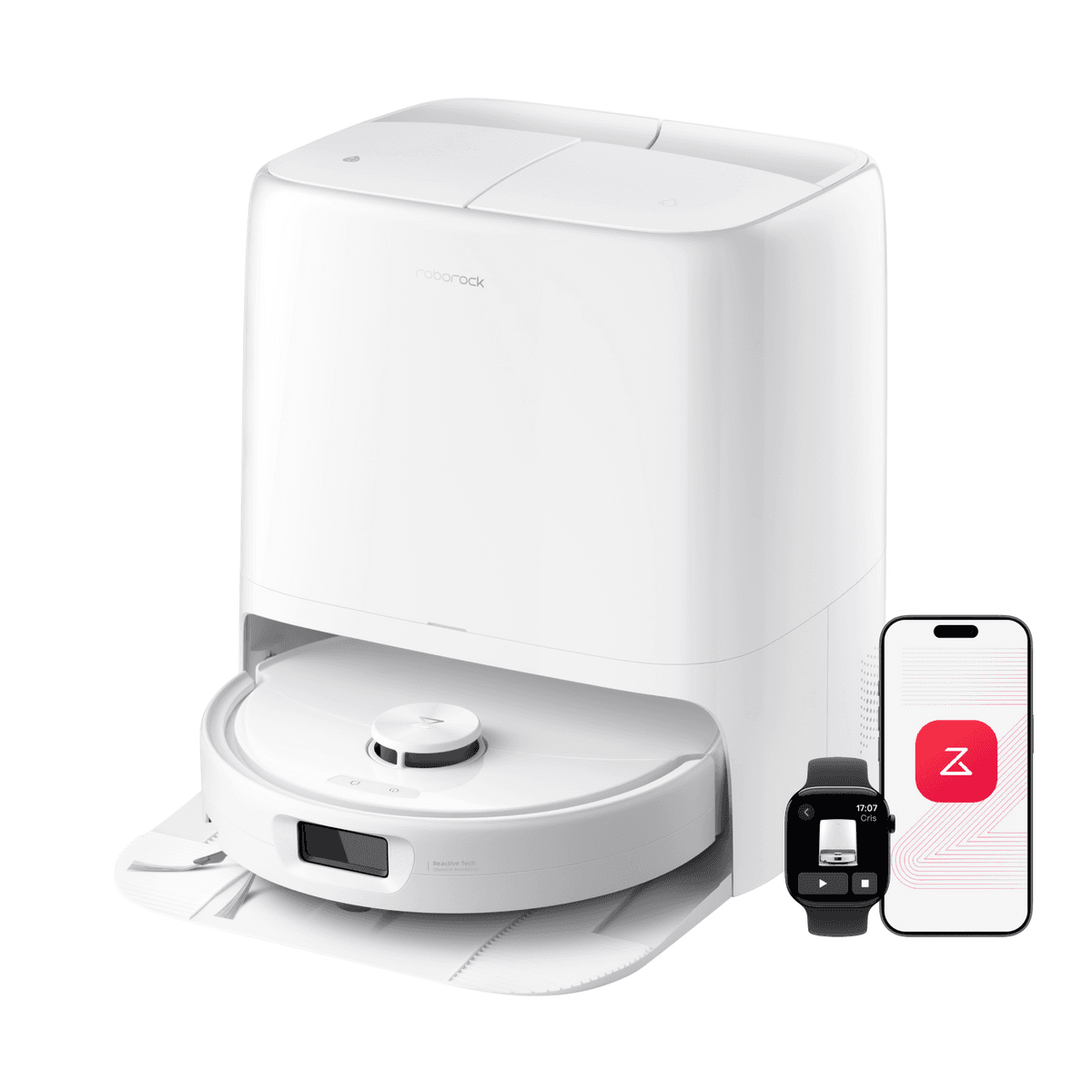
Roborock Qrevo 2 Pro
Robot Vacuums
Roborock’s 20,000 Pa Qrevo: a FlexiArm mop that extends into corners, auto mop detachment for carpets, and anti-tangle on both brushes.
View product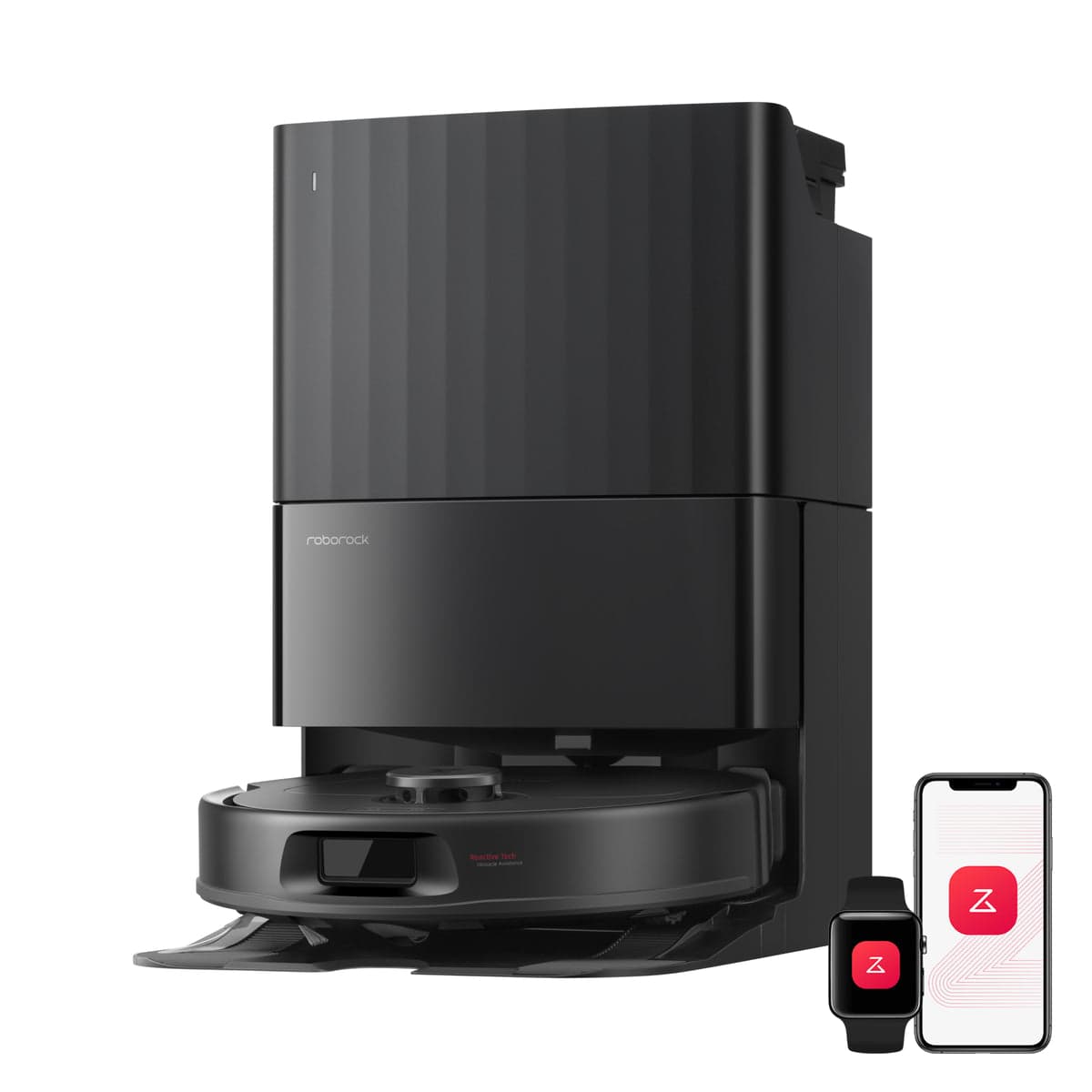
Roborock Qrevo S Pro
Robot Vacuums
Roborock’s 18,500 Pa Qrevo: dual liftable spinning mops, an arc-shaped anti-tangle side brush and a dock that washes the mop.
View product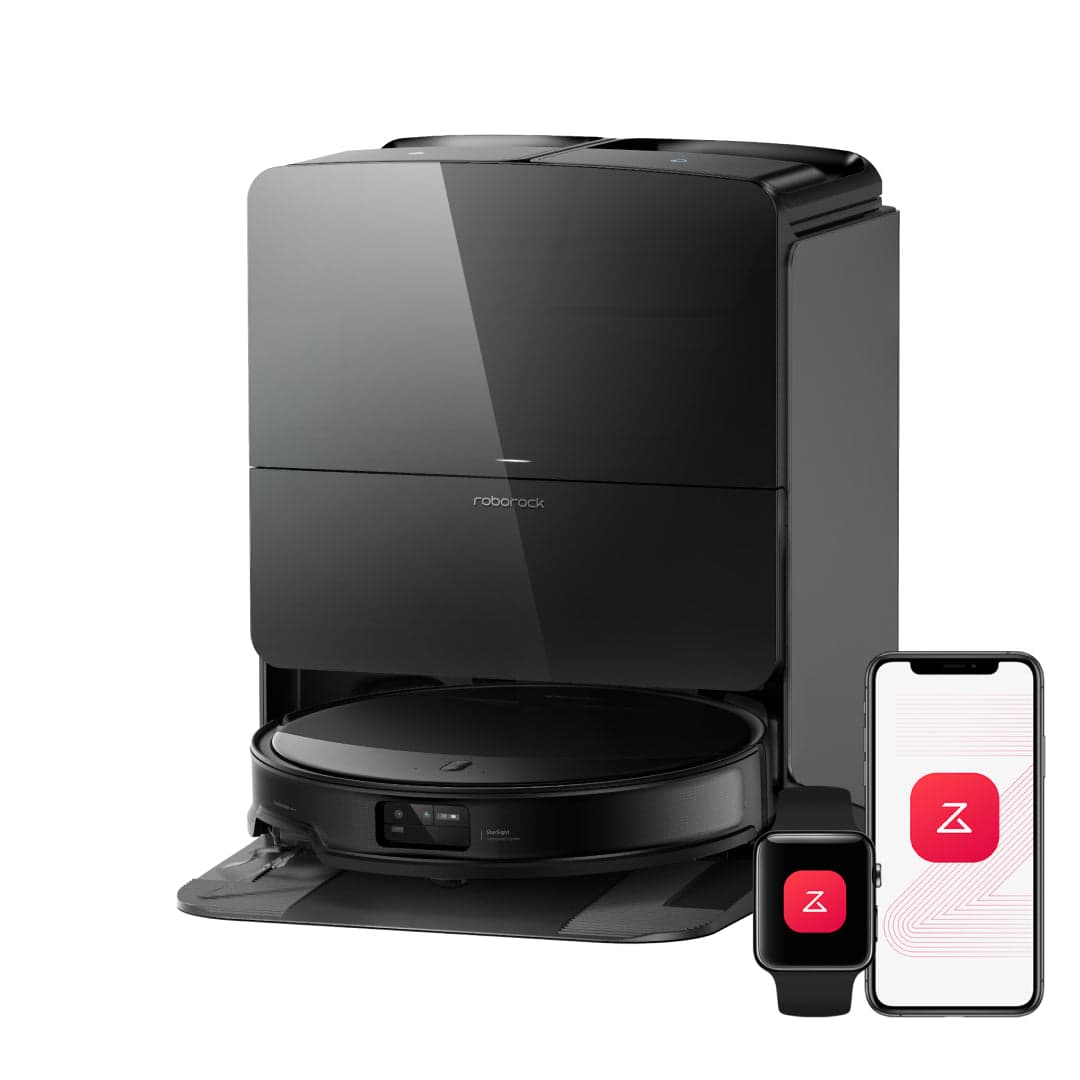
Roborock Saros 10R
Robot Vacuums
Roborock’s turret-free flagship: StarSight 2.0 cameras instead of a spinning laser, a chassis that lifts 10 mm, and 176°F mop washing.
View product