Google Pixel 10 Pro vs Samsung Galaxy S26 Ultra
Two Android flagships $400 apart: a 6.3-inch Pixel with one 5x telephoto, or a 6.9-inch Galaxy with two telephoto lengths and an S Pen in the body.
The short version
| Criterion | Google Pixel 10 Pro | Samsung Galaxy S26 Ultra |
|---|---|---|
| Price | From $999 | From $1,399.99 (256GB); $1,599.99 at 512GB; $1,999.99 at 1TB |
| Display | 6.3-inch Super Actua LTPO OLED, 2856 x 1280 (tall x wide) at 495 ppi; Smooth Display 1-120Hz; up to 2200 nits HDR and 3300 nits peak | 6.9-inch QHD+ Dynamic AMOLED 2X, 120Hz adaptive refresh rate (1-120Hz), Vision Booster; 2600 nits peak brightness |
| Camera system | Pro triple rear system: 50MP wide (f/1.68, 82 degrees), 48MP ultrawide with autofocus and Macro Focus (f/1.7, 123 degrees), 48MP telephoto with OIS (f/2.8, 22 degrees, 5x optical); 42MP front camera (f/2.2, 103 degrees); Pro Zoom up to 100x | 200MP Wide (F1.4, 2x optical-quality zoom), 50MP Ultra Wide (F1.9), 50MP Telephoto (F2.9, 5x optical and 10x optical-quality zoom), 10MP Telephoto (F2.4, 3x opt |
| Software support | 7 years of OS, security, and Pixel Drop updates | Seven years of security updates |
| Size and weight | 152.8 mm tall x 72.0 wide x 8.6 deep; 207 g | 163.6 mm tall x 78.1 wide x 7.9 deep; 214 g |
| Storage | 128GB, 256GB, 512GB and 1TB; 16GB of memory | 256GB and 512GB with 12GB of memory; 1TB with 16GB of memory |
Which one fits
Consider Google Pixel 10 Pro if
- You want a 5x optical telephoto without carrying a 6.9-inch phone
- A published update window matters: Google states seven years of OS, security and Pixel Drop updates
- You want Gemini and Google’s AI features built into the phone rather than added to it
Consider Samsung Galaxy S26 Ultra if
- You want optical zoom at two focal lengths, 3x and 5x, rather than one
- You write or sketch on your phone — the S Pen is built into the body
- You want a published update window; Samsung states seven years of security updates
Main tradeoffs
- A 6.3-inch body, $999, and three kinds of update stated for seven yearsone telephoto length rather than two, and no stylus
- Two telephoto lengths, an S Pen in the body and a 6.9-inch screen$1,399.99, a much larger phone, and a 256GB floor
At a glance
| Criterion | Google Pixel 10 Pro | Samsung Galaxy S26 Ultra |
|---|---|---|
| Best for | People who want a 5x telephoto in a 6.3-inch phone and a long, explicitly published update window, and do not need the newest generation | People who want optical zoom at two focal lengths and write on the screen, and are comfortable carrying a 6.9-inch, 214 |
| Pricing | From $999 | From $1,399.99; up to $1,999.99 at 1TB |
| Platform | Android 16 at launch; Google states seven years of OS, security and Pixel Drop updates | Android 16 with One UI 8.5; Samsung states seven years of security updates |
| Key differentiator | Seven years of OS, security and Pixel Drop updates stated by Google, alongside a 5x optical telephoto and Pro Zoom to 100x in a 6.3-inch body | A built-in S Pen and two telephoto lenses — 3x and 5x optical — alongside a Privacy Display that dims the screen to anyone looking from the side |
| Category | Phones | Phones |
Key facts
| Fact | Google Pixel 10 Pro | Samsung Galaxy S26 Ultra |
|---|---|---|
| Price | From $999 | From $1,399.99 (256GB); $1,599.99 at 512GB; $1,999.99 at 1TB |
| Display | 6.3-inch Super Actua LTPO OLED, 2856 x 1280 (tall x wide) at 495 ppi; Smooth Display 1-120Hz; up to 2200 nits HDR and 3300 nits peak | 6.9-inch QHD+ Dynamic AMOLED 2X, 120Hz adaptive refresh rate (1-120Hz), Vision Booster; 2600 nits peak brightness |
| Battery life | 24+ hour battery life; up to 100 hours with Extreme Battery Saver; typical 4870 mAh (minimum 4707 mAh) | Video playback up to 31 hours; 5,000 mAh typical capacity |
| Chip | Google Tensor G5 with Titan M2 security coprocessor | Snapdragon 8 Elite Gen 5 for Galaxy |
| Camera system | Pro triple rear system: 50MP wide (f/1.68, 82 degrees), 48MP ultrawide with autofocus and Macro Focus (f/1.7, 123 degrees), 48MP telephoto with OIS (f/2.8, 22 degrees, 5x optical); 42MP front camera (f/2.2, 103 degrees); Pro Zoom up to 100x | 200MP Wide (F1.4, 2x optical-quality zoom), 50MP Ultra Wide (F1.9), 50MP Telephoto (F2.9, 5x optical and 10x optical-quality zoom), 10MP Telephoto (F2.4, 3x opt |
| Operating system | Launched with Android 16 | Android 16 with One UI 8.5 |
| Charging | Up to 55% in about 30 minutes with a 30W USB-C PPS charger or higher; Pixelsnap wireless charging (Qi2-certified) up to 15W | Up to 75% in around 30 minutes with a 60W adapter; Super Fast Wireless Charging; Wireless PowerShare |
| Size and weight | 152.8 mm tall x 72.0 wide x 8.6 deep; 207 g | 163.6 mm tall x 78.1 wide x 7.9 deep; 214 g |
| Storage | 128GB, 256GB, 512GB and 1TB; 16GB of memory | 256GB and 512GB with 12GB of memory; 1TB with 16GB of memory |
| Software support | 7 years of OS, security, and Pixel Drop updates | Seven years of security updates |
| Water resistance | IP68 dust and water resistance, under IEC standard 60529 | IP68, to a maximum depth of 1.5 metres for up to 30 minutes |
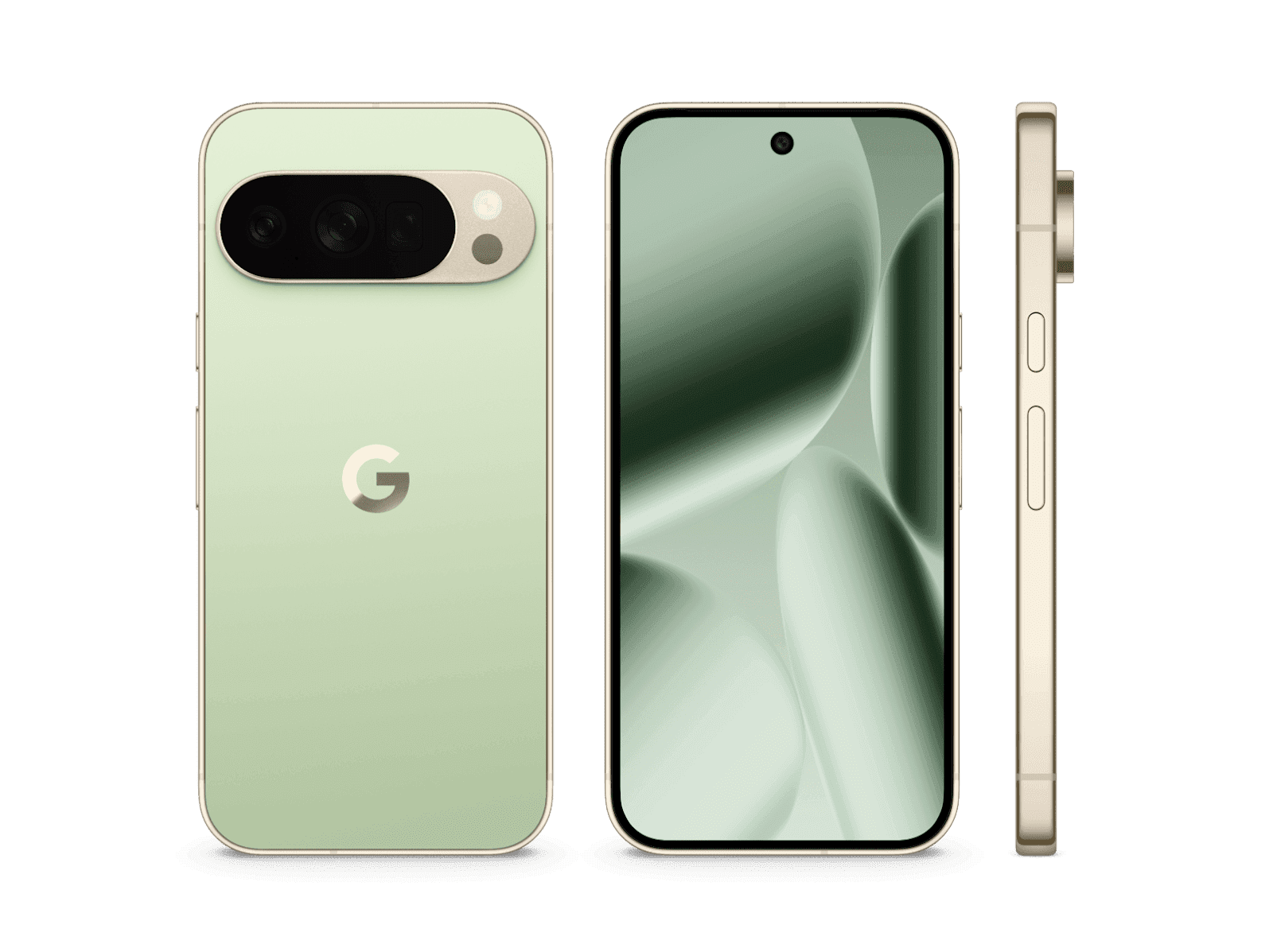
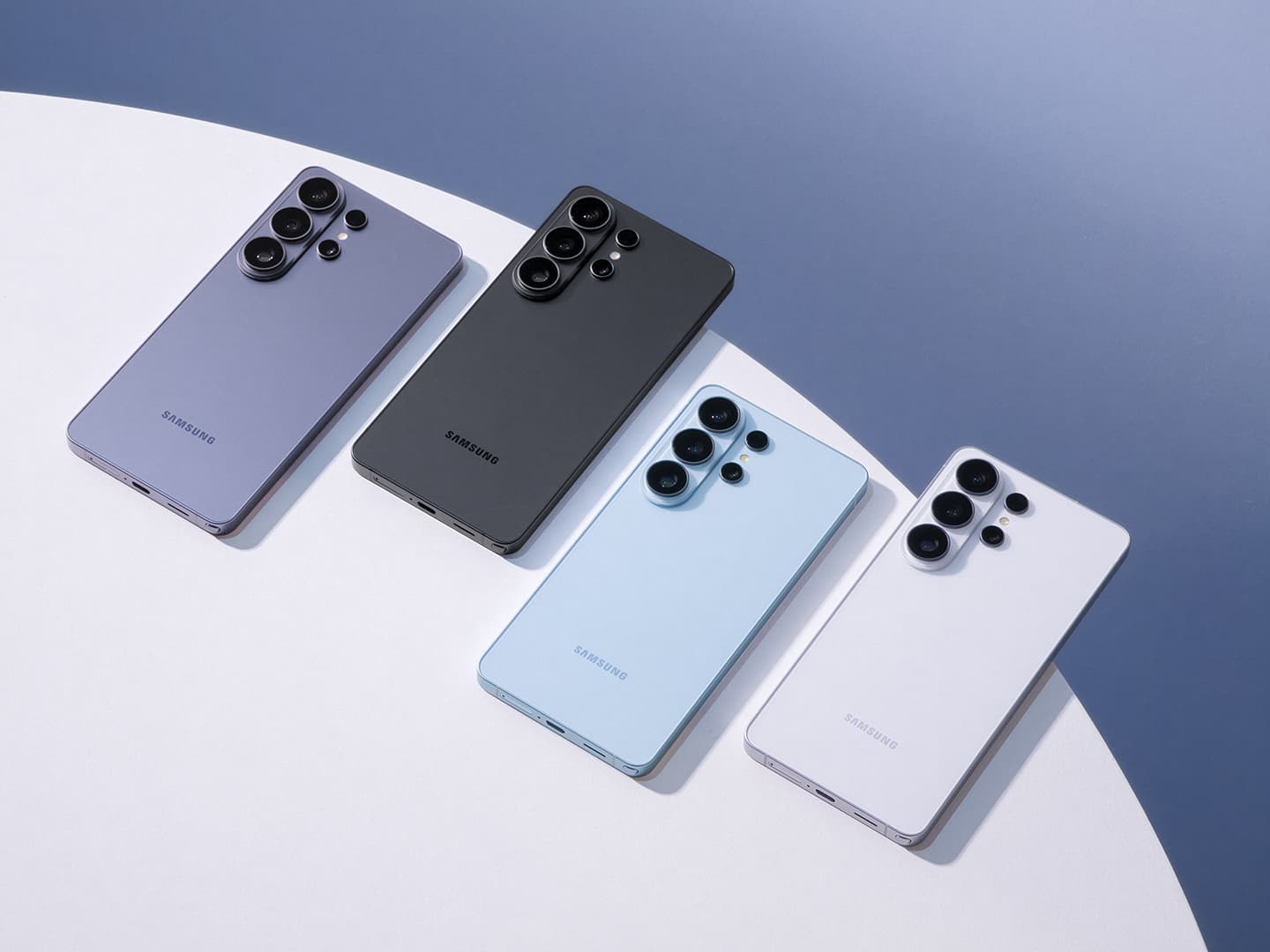
Two Android flagships, $400 apart, and the first thing that separates them is how much phone you want to hold. The Pixel 10 Pro is 6.3 inches with three rear cameras and one 5x telephoto; the Galaxy S26 Ultra is 6.9 inches with four, telephoto at both 3x and 5x, and an S Pen in the body. Both run Android 16, both are rated IP68, and both makers publish a seven-year update commitment — though not the same one.
Overview
This is the comparison where the platform is not the question. Both run Android 16; the Pixel runs Google’s build and the Galaxy runs One UI 8.5 on top of it. What is left is size, price, how many telephoto lenses you want and what each company has promised to keep updating. The Pixel 10 Pro starts at $999, the Galaxy S26 Ultra at $1,399.99.
Size is the first decision
The Galaxy is a noticeably bigger phone: 163.6 mm tall and 78.1 wide against 152.8 by 72.0. That is nearly 11 mm more in the hand and 6 mm more across, which you feel every time you reach for the far corner of the screen. The Galaxy is the thinner of the two at 7.9 mm against 8.6, and the weights are within seven grams. If a 6.9-inch phone is more than you want to carry, that settles it before any other row.
Display
Both run adaptive refresh rates from 1 to 120Hz. The Pixel is 6.3 inches, an LTPO OLED at 1280x2856 and 495 ppi. The Galaxy is 6.9 inches, a QHD+ Dynamic AMOLED 2X. Peak brightness is quoted at 3300 nits for the Pixel and 2600 for the Galaxy, but the two are not stated under the same condition, so each is its maker’s own figure rather than a number to put side by side. The dependable difference is six-tenths of an inch and the pixel count.
Camera
Four lenses against three, and the useful way to read it is focal lengths rather than megapixels. The Galaxy carries a 200MP wide at F1.4, a 50MP ultrawide at F1.9, a 50MP telephoto at F2.9 rated 5x optical, and a 10MP telephoto at F2.4 rated 3x optical. The Pixel carries a 50MP wide at f/1.68, a 48MP ultrawide at f/1.7 with autofocus and Macro Focus, and a 48MP telephoto at f/2.8 rated 5x optical, with Pro Zoom quoted up to 100x. So the Galaxy gives you optical zoom at two distances and the Pixel gives you one, plus a macro focus the Galaxy does not list. Megapixel counts are not a quality score and nothing here says which takes the photograph you want.
Software and updates
Both companies publish a seven-year commitment and the two commitments are not the same sentence. Google states seven years of OS, security and Pixel Drop updates — three kinds. Samsung states seven years of security updates. That is a difference in what each company has put in writing, and it is worth reading literally: Samsung not stating an OS-upgrade period is not a statement that there will not be one.
Battery
This is the row the page deliberately does not have. Google quotes 24+ hours of battery life, a mixed-use estimate, and up to 100 hours in Extreme Battery Saver. Samsung quotes up to 31 hours of video playback. Those measure different things, and printing 24 beside 31 would compare a day of ordinary use against a day of video. The capacities are close — 4870 mAh typical for the Pixel, 5000 mAh for the Galaxy — but a capacity is not a runtime. Until both publish the same test, there is no honest comparison here.
Charging
Also quoted to different targets under different conditions. The Pixel reaches up to 55% in about 30 minutes with a 30W USB-C PPS charger or higher, and charges wirelessly up to 15W over Pixelsnap, which is Qi2-certified. The Galaxy reaches up to 75% in around 30 minutes with a 60W adapter, and adds Wireless PowerShare. The Galaxy asks for more watts and claims more charge in the same half hour; those are two claims, not two scores.
Storage and price
The Pixel starts at 128GB and the Galaxy at 256GB, and both reach 1TB. A higher floor is not automatically better — it is a higher floor, and on the Galaxy it comes with a higher starting price. The Pixel is $999; the Galaxy is $1,399.99, rising to $1,999.99 at 1TB. Both ship 16GB of memory at the top, and the Galaxy ships 12GB below it, which Google does not break out by tier.
The S Pen
The Galaxy has a stylus in the body. The Pixel does not, and nothing on it is equivalent. If you write, sketch or annotate on a phone, this is a hardware feature only one of these two has, and it is the clearest single reason to take the larger phone.
Which one may fit you better
Consider the Pixel 10 Pro if 6.3 inches is the size you want to hold, $999 is closer to what you want to spend, you want three kinds of update stated for seven years, or you want a 128GB option. Consider the Galaxy S26 Ultra if you want optical zoom at two focal lengths rather than one, you write on your phone and want the S Pen, or you want the largest screen of the two.
Important considerations
Both run the same version of Android, so the usual ecosystem argument does not apply here — your watch, your laptop and your messages will work either way. What is actually being decided is a 6.3-inch phone at $999 against a 6.9-inch one at $1,399.99, a second telephoto lens, and a stylus. Two of the rows a comparison like this usually leans on, battery life and water resistance, are missing on purpose: the two companies do not publish figures that can be set against each other.