Google Pixel 10 Pro vs iPhone 18 Pro
The same 6.3-inch size class in two ecosystems: $999 with a 5x telephoto and a 128GB entry, or $1,199 with a 4x telephoto, a variable main aperture and 2TB at the top.
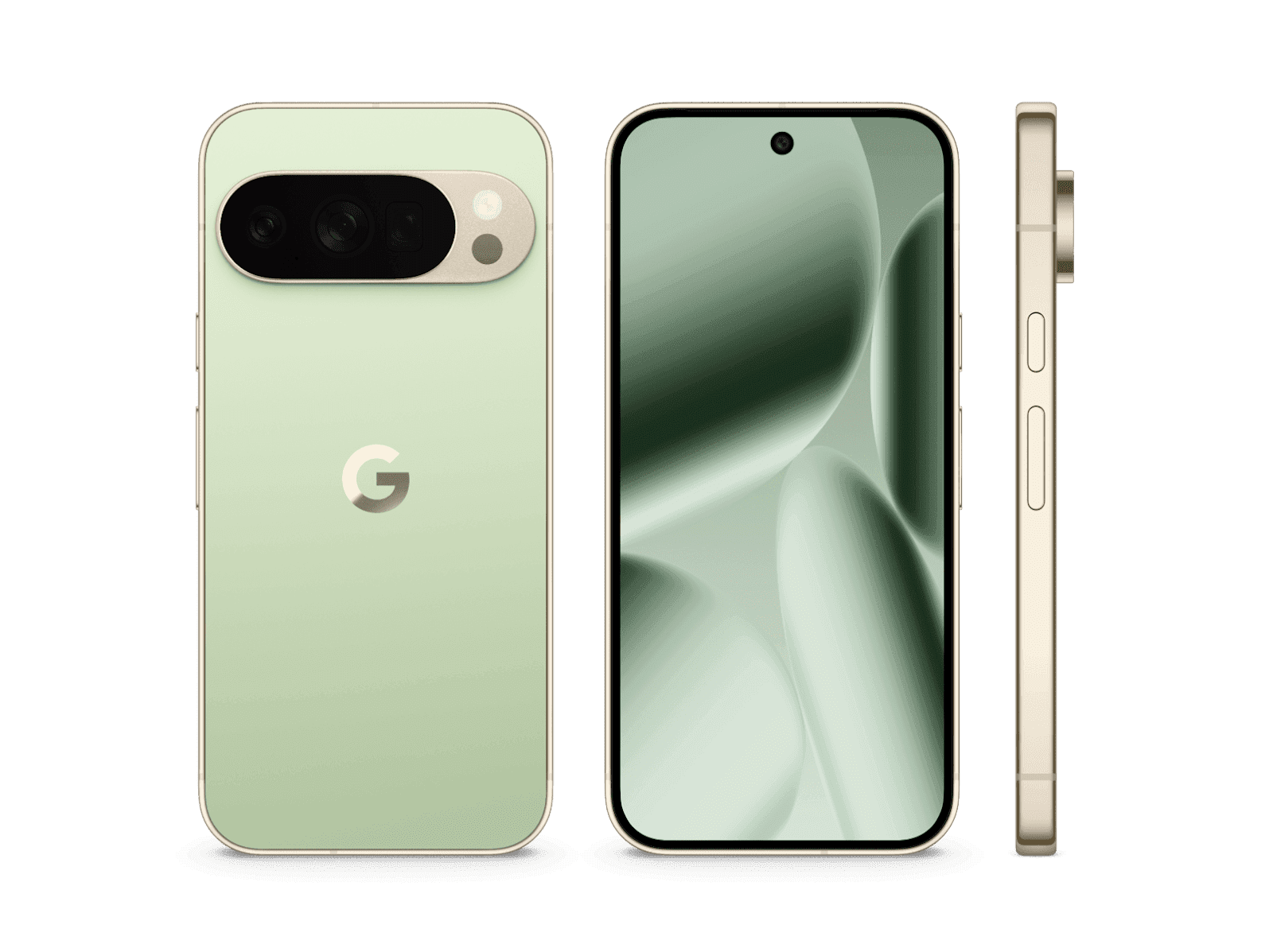
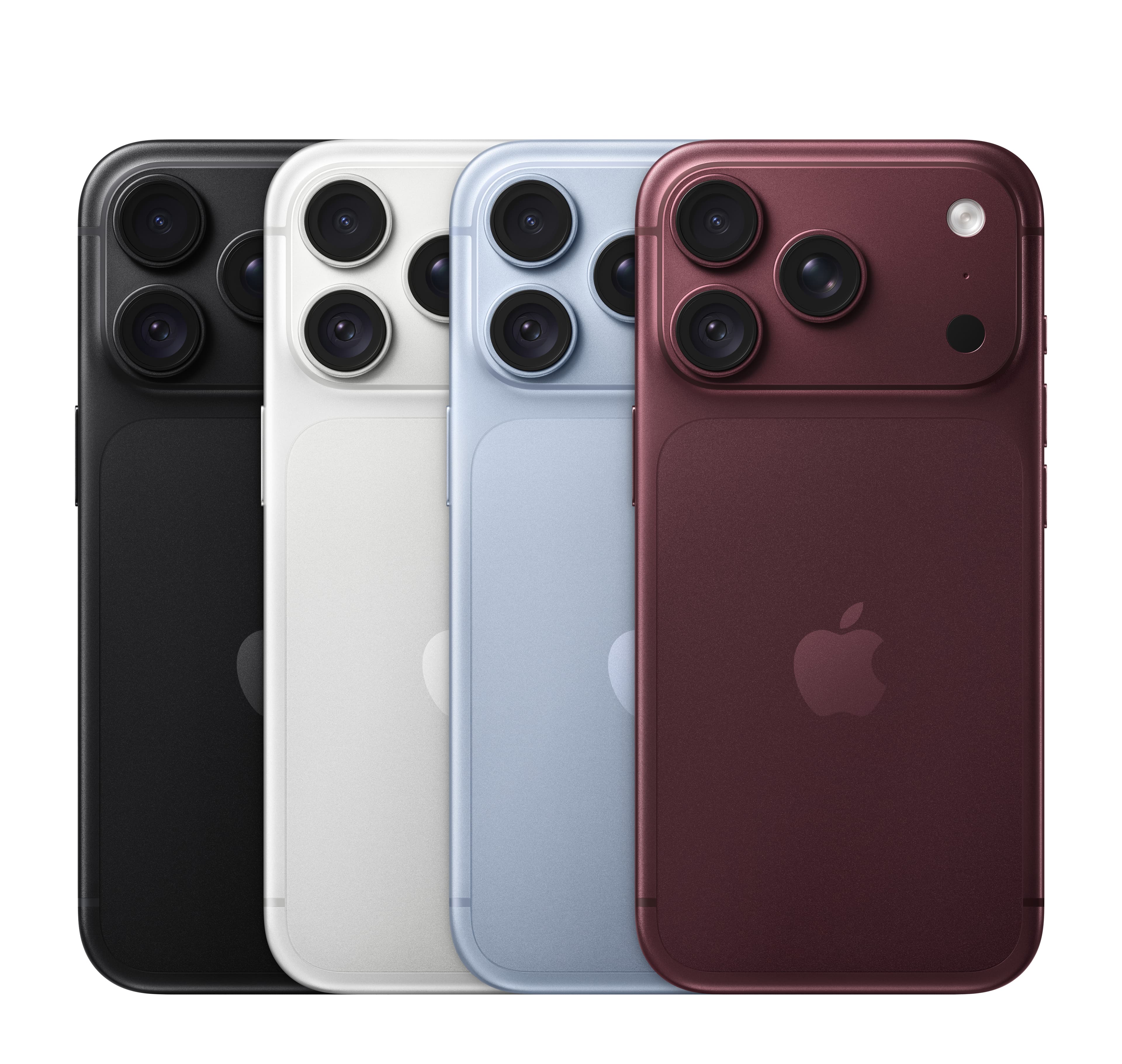
The short version
| Criterion | Google Pixel 10 Pro | iPhone 18 Pro |
|---|---|---|
| Operating system | Launched with Android 16 | iOS 27 |
| Price | From $999 | From $1,199; up to $2,399 at 2TB |
| Camera system | Pro triple rear system: 50MP wide (f/1.68, 82 degrees), 48MP ultrawide with autofocus and Macro Focus (f/1.7, 123 degrees), 48MP telephoto with OIS (f/2.8, 22 degrees, 5x optical); 42MP front camera (f/2.2, 103 degrees); Pro Zoom up to 100x | 48MP Pro Fusion system: 48MP Main with variable aperture f/1.48-f/4.0 (24mm), 48MP Ultra Wide (13mm, f/2.2), 48MP Telephoto (100mm 4x, f/2.8); 18MP Center Stage front camera |
| Storage | 128GB, 256GB, 512GB and 1TB; 16GB of memory | 256GB, 512GB, 1TB, 2TB |
| Charging | Up to 55% in about 30 minutes with a 30W USB-C PPS charger or higher; Pixelsnap wireless charging (Qi2-certified) up to 15W | Up to 50% in around 15 minutes with a 60W-capable adapter and Adjustable Voltage Supply; MagSafe and Qi2 wireless up to 25W |
Which one fits
Consider Google Pixel 10 Pro if
- You want a 5x optical telephoto without carrying a 6.9-inch phone
- A published update window matters: Google states seven years of OS, security and Pixel Drop updates
- You want Gemini and Google’s AI features built into the phone rather than added to it
Consider iPhone 18 Pro if
- You want the 4x telephoto and the 48MP Ultra Wide without carrying the Max
- You are on iOS and want iOS 27 from the first day
- You charge in short bursts — 50% in around 15 minutes with a 60W adapter
Main tradeoffs
- A 5x telephoto, a 128GB entry at $999, and seven years of updates stated in writingAndroid, and a camera with one fixed main aperture
- A variable main aperture, 2TB at the top and the iOS ecosystem$1,199 to start, a 4x telephoto, and no published update period
At a glance
| Criterion | Google Pixel 10 Pro | iPhone 18 Pro |
|---|---|---|
| Best for | People who want a 5x telephoto in a 6.3-inch phone and a long, explicitly published update window, and do not need the newest generation | People already on iOS who want the full Pro camera system without carrying the Max |
| Pricing | From $999 | From $1,199; up to $2,399 at 2TB |
| Platform | Android 16 at launch; Google states seven years of OS, security and Pixel Drop updates | iOS 27 |
| Key differentiator | Seven years of OS, security and Pixel Drop updates stated by Google, alongside a 5x optical telephoto and Pro Zoom to 100x in a 6.3-inch body | The same three 48MP rear cameras and A20 Pro chip as the Pro Max, in a 6.3-inch, 211 g body |
| Category | Phones | Phones |
Key facts
| Fact | Google Pixel 10 Pro | iPhone 18 Pro |
|---|---|---|
| Price | From $999 | From $1,199; up to $2,399 at 2TB |
| Display | 6.3-inch Super Actua LTPO OLED, 2856 x 1280 (tall x wide) at 495 ppi; Smooth Display 1-120Hz; up to 2200 nits HDR and 3300 nits peak | 6.3-inch all-screen OLED Super Retina XDR, 2622 x 1206 (tall x wide) at 460 ppi; Dynamic Island, Always-On, ProMotion up to 120Hz; 3000 nits peak outdoor |
| Battery life | 24+ hour battery life; up to 100 hours with Extreme Battery Saver; typical 4870 mAh (minimum 4707 mAh) | Video playback up to 36 hours; streamed video up to 33 hours; typical use up to 24 hours |
| Chip | Google Tensor G5 with Titan M2 security coprocessor | A20 Pro chip, 6-core CPU, 7-core GPU with Neural Accelerators, dual 16-core Neural Engine |
| Camera system | Pro triple rear system: 50MP wide (f/1.68, 82 degrees), 48MP ultrawide with autofocus and Macro Focus (f/1.7, 123 degrees), 48MP telephoto with OIS (f/2.8, 22 degrees, 5x optical); 42MP front camera (f/2.2, 103 degrees); Pro Zoom up to 100x | 48MP Pro Fusion system: 48MP Main with variable aperture f/1.48-f/4.0 (24mm), 48MP Ultra Wide (13mm, f/2.2), 48MP Telephoto (100mm 4x, f/2.8); 18MP Center Stage front camera |
| Operating system | Launched with Android 16 | iOS 27 |
| Charging | Up to 55% in about 30 minutes with a 30W USB-C PPS charger or higher; Pixelsnap wireless charging (Qi2-certified) up to 15W | Up to 50% in around 15 minutes with a 60W-capable adapter and Adjustable Voltage Supply; MagSafe and Qi2 wireless up to 25W |
| Size and weight | 152.8 mm tall x 72.0 wide x 8.6 deep; 207 g | 150.0 mm tall x 71.9 wide x 8.75 deep; 211 g |
| Storage | 128GB, 256GB, 512GB and 1TB; 16GB of memory | 256GB, 512GB, 1TB, 2TB |
| Software support | 7 years of OS, security, and Pixel Drop updates | — |
| Water resistance | IP68 dust and water resistance, under IEC standard 60529 | IP68, to a maximum depth of 6 metres for up to 30 minutes |
Two 6.3-inch premium phones $200 apart, and the part that decides most of it happens before any specification: one runs Android and the other runs iOS. Past that, the Pixel 10 Pro has a 5x telephoto, starts at 128GB and costs $999; the iPhone 18 Pro has a 4x telephoto and a main camera whose aperture changes, starts at 256GB and reaches 2TB, and costs $1,199.
Overview
These two are unusually easy to line up on size and unusually hard to line up on anything that needs a shared test. Both are 6.3-inch phones, both reach 120Hz, both are rated IP68, both are within 2.8 mm of each other in height and four grams in weight. What separates them is the ecosystem, $200, one telephoto length, the storage range and what each company has put in writing about updates.
The ecosystem decides more than the table does
If you own an Apple Watch, send messages that show up blue, or have a Mac and an iPad in the house, the iPhone 18 Pro is the one that fits what you already have, and no camera specification is going to outweigh that. The same is true in reverse for someone whose photos live in Google Photos and whose assistant is Gemini. This part of the decision is usually made before anyone opens a comparison page, and nothing below is meant to change it — the rest of this page is for the reader who genuinely has no preference, or who is considering a switch.
Display
The closest match on the page. Both are 6.3-inch OLED panels and both run to 120Hz — the Pixel adaptive from 1Hz, the iPhone through ProMotion. The pixel counts differ: 2856 x 1280 at 495 ppi on the Pixel against 2622 x 1206 at 460 ppi on the iPhone. That is a real difference in density and a small one in practice at this size. Peak brightness is quoted at 3300 nits for the Pixel and 3000 nits outdoor for the iPhone, under conditions each company defines for itself, so the two figures are not a league table.
Camera
Three rear cameras each, arranged differently. The Pixel has a 50MP wide at f/1.68, a 48MP ultrawide at f/1.7 with autofocus and Macro Focus, and a 48MP telephoto at f/2.8 rated 5x optical, with Pro Zoom quoted up to 100x. The iPhone has three 48MP cameras: a main whose aperture moves between f/1.48 and f/4.0 at 24 mm, an ultra wide at 13 mm, and a telephoto at 100 mm, which is 4x. So the Pixel reaches further optically and adds a macro focus; the iPhone has a lens that can change how much light it takes in and how much of the frame stays sharp. Megapixel counts are the same order on both and are not a quality score.
Battery
There is no row for this, and the reason is worth stating. Google quotes "24+ hour battery life" and Apple quotes "typical use up to 24 hours". The numbers are identical and the tests behind them are not — each is its own maker’s estimate, measured its own way. Apple’s other figures are video playback, 36 hours, and streamed video, 33; Google publishes neither, and publishes a 4870 mAh capacity where Apple publishes none. Printing 24 beside 24 would look like a tie that somebody measured. Nobody did.
Charging
Two different claims. The Pixel reaches up to 55% in about 30 minutes with a 30W USB-C PPS charger or higher, and charges wirelessly up to 15W over Pixelsnap, which is Qi2-certified. The iPhone reaches up to 50% in around 15 minutes with a 60W-capable adapter and Adjustable Voltage Supply, and up to 25W wirelessly over MagSafe and Qi2. Different percentages, different times, different adapters: you can read both, but they are not two scores on one scale.
Storage
The Pixel starts at 128GB and tops out at 1TB. The iPhone starts at 256GB and reaches 2TB, at $2,399 for that configuration. If you keep very little on your phone the Pixel has an option the iPhone does not; if you shoot a lot of video, the reverse. A higher floor is not automatically better and neither is a higher ceiling — they are different ranges for different habits.
Software commitments
Google publishes a seven-year commitment covering OS, security and Pixel Drop updates. Apple does not publish an equivalent minimum period for the iPhone 18 Pro. That is a difference in what the two companies state, and it should be read as exactly that: it is not a measurement of how long either phone will be supported, and the absence of an Apple figure is not evidence of a shorter window.
Which one may fit you better
Consider the Pixel 10 Pro if you are on Android, $999 is closer to what you want to spend, you want optical reach at 5x, you want a 128GB option, or a written update commitment matters to you. Consider the iPhone 18 Pro if you are on iOS and the rest of your devices are too, you want a main camera that can change its aperture, or you want 2TB in a phone.
Important considerations
The two phones are close enough in size, screen and build that the specification sheet is not where this gets decided. The ecosystem is, and after it the honest list is short: $200, one telephoto length against a variable aperture, and two different storage ranges. Battery life and water resistance are missing from the table on purpose — both companies publish figures, and in neither case do the figures measure the same thing.