iPhone 18 Pro Max vs Samsung Galaxy S26 Ultra
iOS at $1,299 against Android at $1,399.99: three rear lenses and 249 g, or four with two optical telephoto lengths, an S Pen in the body and 214 g.
The short version
| Criterion | iPhone 18 Pro Max | Samsung Galaxy S26 Ultra |
|---|---|---|
| Operating system | iOS 27 | Android 16 with One UI 8.5 |
| Price | From $1,299; $1,499 at 512GB, $1,899 at 1TB and $2,499 at 2TB | From $1,399.99 (256GB); $1,599.99 at 512GB; $1,999.99 at 1TB |
| Display | 6.9-inch all-screen OLED Super Retina XDR, 2868 x 1320 (tall x wide) at 460 ppi; Dynamic Island, Always-On, ProMotion up to 120Hz; 3000 nits peak outdoor | 6.9-inch QHD+ Dynamic AMOLED 2X, 120Hz adaptive refresh rate (1-120Hz), Vision Booster; 2600 nits peak brightness |
| Camera system | 48MP Pro Fusion system: 48MP Main with variable aperture f/1.48-f/4.0 (24mm), 48MP Ultra Wide (13mm, f/2.2), 48MP Telephoto (100mm 4x, f/2.8); 18MP Center Stage front camera | 200MP Wide (F1.4, 2x optical-quality zoom), 50MP Ultra Wide (F1.9), 50MP Telephoto (F2.9, 5x optical and 10x optical-quality zoom), 10MP Telephoto (F2.4, 3x opt |
| Battery life | Video playback up to 45 hours; streamed video up to 40 hours; typical use up to 30 hours | Video playback up to 31 hours; 5,000 mAh typical capacity |
| Size and weight | 163.4 mm tall x 78.0 wide x 8.75 deep; 249 g | 163.6 mm tall x 78.1 wide x 7.9 deep; 214 g |
| Storage | 256GB, 512GB, 1TB, 2TB | 256GB and 512GB with 12GB of memory; 1TB with 16GB of memory |
Which one fits
Consider iPhone 18 Pro Max if
- You want a display at 2868 x 1320
- You want up to 45 hours of video playback on the maker’s own figure
- You want the larger Pro-size body: 163.4 mm tall at 249 g
Consider Samsung Galaxy S26 Ultra if
- You want optical zoom at two focal lengths, 3x and 5x, rather than one
- You write or sketch on your phone — the S Pen is built into the body
- You want a published update window; Samsung states seven years of security updates
Main tradeoffs
- iOS 27, $1,299 to start, a 2TB tier and 45 hours of video playback on Apple’s own figure249 g, three rear lenses reaching one telephoto length, and no stylus
- An S Pen in the body, optical zoom at 3x and 5x from four rear cameras, 214 g and seven years of security updates in writing$1,399.99 to start, Android rather than iOS, a 1TB ceiling, and 31 hours of video playback on Samsung’s own figure
At a glance
| Criterion | iPhone 18 Pro Max | Samsung Galaxy S26 Ultra |
|---|---|---|
| Best for | People who want the larger iPhone 18 Pro screen and the longer quoted battery figure, and accept a bigger, heavier phone to get them | People who want optical zoom at two focal lengths and write on the screen, and are comfortable carrying a 6.9-inch, 214 |
| Pricing | From $1,299; $1,499 at 512GB, $1,899 at 1TB and $2,499 at 2TB | From $1,399.99; up to $1,999.99 at 1TB |
| Platform | iOS 27 | Android 16 with One UI 8.5; Samsung states seven years of security updates |
| Key differentiator | A 6.9-inch Super Retina XDR display at 2868 x 1320, and up to 45 hours of video playback on Apple’s own figure | A built-in S Pen and two telephoto lenses — 3x and 5x optical — alongside a Privacy Display that dims the screen to anyone looking from the side |
| Category | Phones | Phones |
Key facts
| Fact | iPhone 18 Pro Max | Samsung Galaxy S26 Ultra |
|---|---|---|
| Price | From $1,299; $1,499 at 512GB, $1,899 at 1TB and $2,499 at 2TB | From $1,399.99 (256GB); $1,599.99 at 512GB; $1,999.99 at 1TB |
| Display | 6.9-inch all-screen OLED Super Retina XDR, 2868 x 1320 (tall x wide) at 460 ppi; Dynamic Island, Always-On, ProMotion up to 120Hz; 3000 nits peak outdoor | 6.9-inch QHD+ Dynamic AMOLED 2X, 120Hz adaptive refresh rate (1-120Hz), Vision Booster; 2600 nits peak brightness |
| Battery life | Video playback up to 45 hours; streamed video up to 40 hours; typical use up to 30 hours | Video playback up to 31 hours; 5,000 mAh typical capacity |
| Chip | A20 Pro chip, 6-core CPU, 7-core GPU with Neural Accelerators, dual 16-core Neural Engine | Snapdragon 8 Elite Gen 5 for Galaxy |
| Camera system | 48MP Pro Fusion system: 48MP Main with variable aperture f/1.48-f/4.0 (24mm), 48MP Ultra Wide (13mm, f/2.2), 48MP Telephoto (100mm 4x, f/2.8); 18MP Center Stage front camera | 200MP Wide (F1.4, 2x optical-quality zoom), 50MP Ultra Wide (F1.9), 50MP Telephoto (F2.9, 5x optical and 10x optical-quality zoom), 10MP Telephoto (F2.4, 3x opt |
| Operating system | iOS 27 | Android 16 with One UI 8.5 |
| Charging | Up to 50% in around 15 minutes with a 60W-capable adapter and Adjustable Voltage Supply; MagSafe and Qi2 wireless up to 25W | Up to 75% in around 30 minutes with a 60W adapter; Super Fast Wireless Charging; Wireless PowerShare |
| Size and weight | 163.4 mm tall x 78.0 wide x 8.75 deep; 249 g | 163.6 mm tall x 78.1 wide x 7.9 deep; 214 g |
| Storage | 256GB, 512GB, 1TB, 2TB | 256GB and 512GB with 12GB of memory; 1TB with 16GB of memory |
| Water resistance | IP68, to a maximum depth of 6 metres for up to 30 minutes, under IEC standard 60529 | IP68, to a maximum depth of 1.5 metres for up to 30 minutes |
| Software support | — | Seven years of security updates |
Two phones built to be the biggest thing each company makes, and almost the same size as each other: 163.4 mm against 163.6, 78.0 wide against 78.1. The decision is not the footprint. It is iOS against Android, three rear lenses against four, 35 g, and $100.99.
Overview
These two are the top of their respective line-ups and they are very nearly the same object to hold: the iPhone is 163.4 mm tall and 78.0 wide, the Galaxy 163.6 and 78.1. Two tenths of a millimetre. What differs is everything inside and around that shape — which software runs on it, how many lenses sit on the back, what it weighs, and what it costs.
Key differences
iOS 27 against Android 16 with One UI 8.5. $1,299 against $1,399.99 at 256GB. Three rear lenses against four. 249 g against 214. A 2TB storage tier on one side and a 1TB ceiling on the other. And 45 hours of quoted video playback against 31 — each measured by the company selling the phone.
The platform
This is the part no specification settles. iOS 27 and Android 16 with One UI 8.5 are different software with different apps, different defaults, different assistants and different ways of moving your data in and out. Most people reading this already know which one they want, and if you do, it decides the page: nothing below outweighs years of purchases, photo libraries and habits on one side or the other. If you genuinely do not mind, read on.
Price
$1,299 for the iPhone at 256GB and $1,399.99 for the Galaxy, a gap of $100.99. Both are full retail. Apple's figure is not carrier-conditioned on this model, and Samsung's $1,399.99 is its own list price — at the time of writing Samsung was also running $1,304.99 on the 512GB, which is a promotion with an expiry date and not what the phone costs. Above the entry tier: $1,499 against $1,599.99 at 512GB, $1,899 against $1,999.99 at 1TB, and only the iPhone offers 2TB, at $2,499.
Cameras
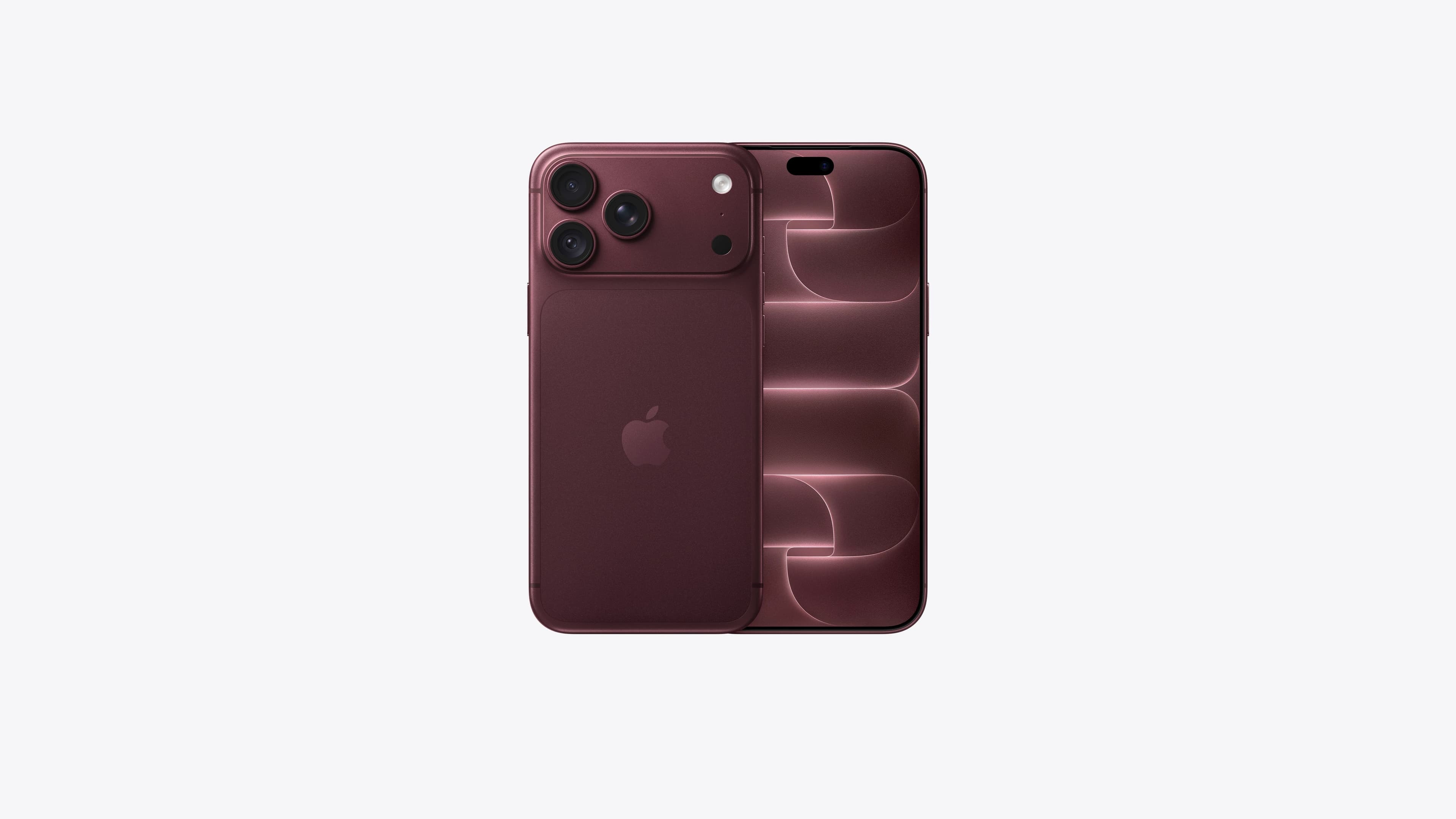
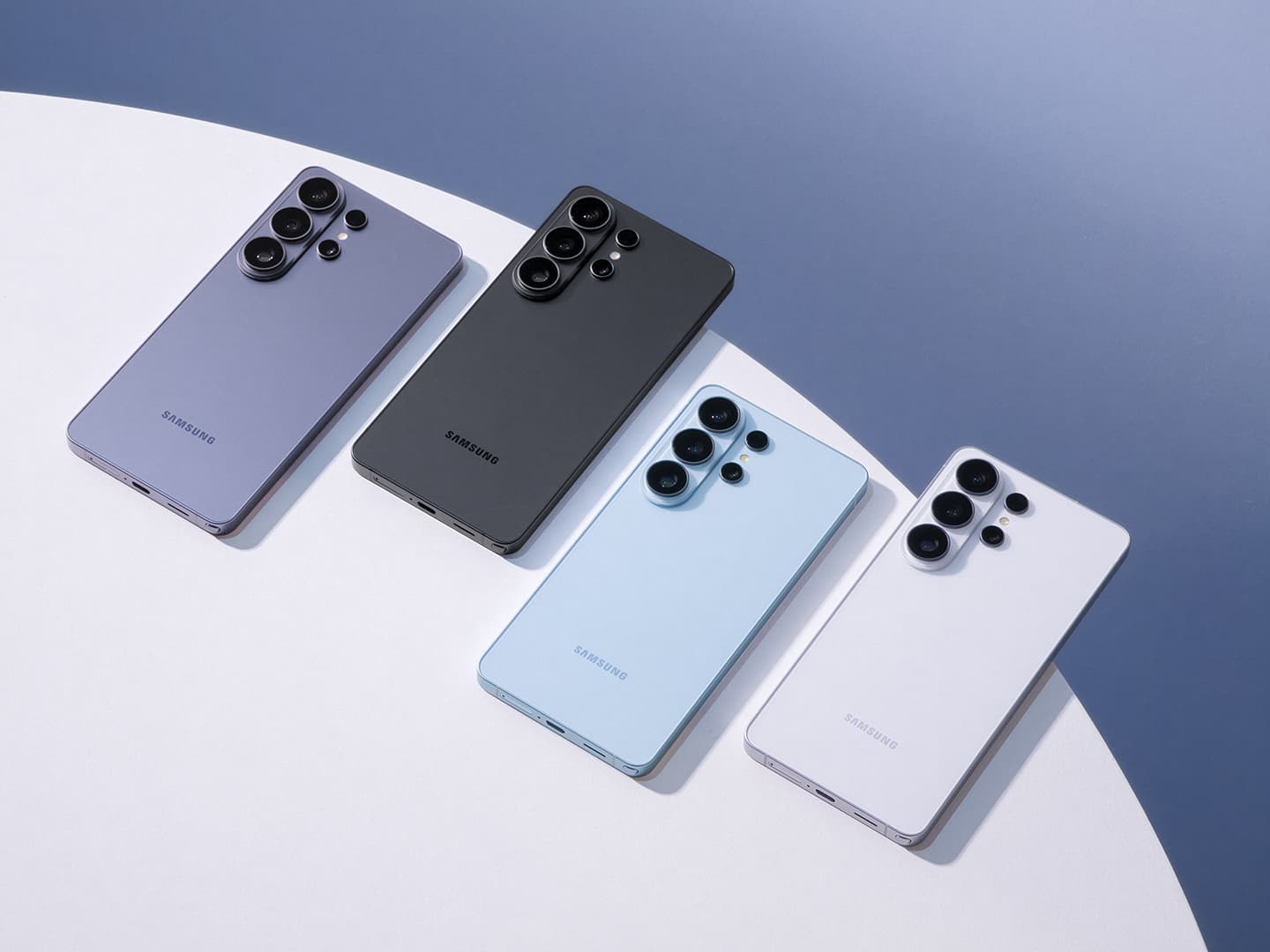
The architectures are different shapes. The iPhone carries three 48MP lenses: a main at 24 mm with a variable aperture from f/1.48 to f/4.0, an ultra wide at 13 mm, and a telephoto at 100 mm, which is 4x. The Galaxy carries four: a 200MP wide, a 50MP ultra wide, a 50MP telephoto at 5x optical, and a 10MP telephoto at 3x optical. So the Galaxy reaches two optical telephoto lengths where the iPhone reaches one, and the iPhone's single telephoto sits between them at 4x. Megapixel counts are not image quality and neither company publishes testing you could compare, so what is on the table is reach and lens count, not pictures.
The display
Both are 6.9 inches, and that is where the comparison gets hard rather than easy. Apple publishes 2868 x 1320 at 460 ppi on a Super Retina XDR panel with Dynamic Island, Always-On and ProMotion to 120Hz, peaking at 3000 nits outdoors. Samsung publishes QHD+ on a Dynamic AMOLED 2X panel with a 1 to 120Hz adaptive refresh rate and Vision Booster, peaking at 2600 nits. Samsung does not state a pixel count in the source we use, and the two brightness figures are quoted under different conditions, so they are not a common measurement. Same diagonal, two panels described in two vocabularies.
Size and weight
The footprint is a draw: 163.4 x 78.0 against 163.6 x 78.1, which is nothing you would notice. The difference is depth and mass. The iPhone is 8.75 mm deep at 249 g; the Galaxy is 7.9 mm at 214 g. That is 0.85 mm thinner and 35 g lighter — about a seventh of the iPhone's weight — in a phone of the same outline. If you have ever put a large phone down because your hand got tired, that is the number on this page that will reach you.
Battery
Apple quotes up to 45 hours of video playback, up to 40 streamed, and up to 30 hours of typical use. Samsung quotes up to 31 hours of video playback and a 5,000 mAh typical capacity. Both use the phrase "video playback", and that is as close as this comparison gets: these are two companies' own tests, run on their own terms, not one benchmark applied twice. Read them as what each maker is willing to claim rather than as a measured gap, and note that only one of the two publishes a capacity and only one publishes a typical-use figure.
Chip and storage
An A20 Pro against a Snapdragon 8 Elite Gen 5 for Galaxy. Two different parts, no published benchmark either company shares, and therefore nothing here that orders them. Storage is clearer: the iPhone runs 256GB, 512GB, 1TB and 2TB; the Galaxy runs 256GB and 512GB with 12GB of memory and 1TB with 16GB. Only the iPhone offers 2TB, and only the Galaxy ties the memory to the tier you pick.
Charging and water
Both phones charge from a 60W adapter and both claims stop there. Apple says up to 50% in around 15 minutes, with MagSafe and Qi2 wireless up to 25W. Samsung says up to 75% in around 30 minutes, with Super Fast Wireless Charging and Wireless PowerShare. Those are different percentages at different times; neither is the other's test, and treating one as faster would be reading across two measurements that were never aligned.
Both are rated IP68. Apple documents a maximum depth of 6 metres for up to 30 minutes, Samsung 1.5 metres for up to 30 minutes. Same rating, different declared depths, and the same advice applies to both: it is a rating from a laboratory, not a promise about your swimming pool.
Software support
Samsung states seven years of security updates for the Galaxy S26 Ultra. Apple publishes no minimum number of years for any iPhone, including this one. That is one company's commitment against another company's silence, and it would be wrong to read it as a measured difference in how long each phone will be supported — an absence is not a shorter window. What can be said is that only one of the two put a number in writing.
Which one may fit you better
Consider the iPhone 18 Pro Max if you are on iOS and intend to stay, if you want a 2TB tier, or if Apple's longer quoted battery figures match how you use a phone away from a charger. Consider the Galaxy S26 Ultra if you are on Android, if you want optical zoom at two focal lengths rather than one, if you write or sketch with a stylus the phone carries for you, or if 35 g less in the same footprint is worth $100.99 to you.
Important considerations
The decision is probably made before the specifications: switching platforms costs more than $100.99 in apps, habits and the time it takes to move everything. Below that, the most physical difference on this page is the 35 g, and the most useful one is probably the Galaxy's second telephoto length against the iPhone's 2TB tier — two different kinds of headroom. And every battery and charging figure here belongs to the company that sells the phone, which is worth remembering before treating any of them as a result.