6 options covered
Best Wearables for Long Battery Life
Six of the ten wearables we track are quoted by their makers in days rather than hours — two watches, two rings and two screenless bands. They are not interchangeable, and the gap between them is not battery.
Affiliate disclosure: we may earn a commission from eligible partner links. Read our affiliate disclosure
Consider if you want maps and a display on a three-week battery
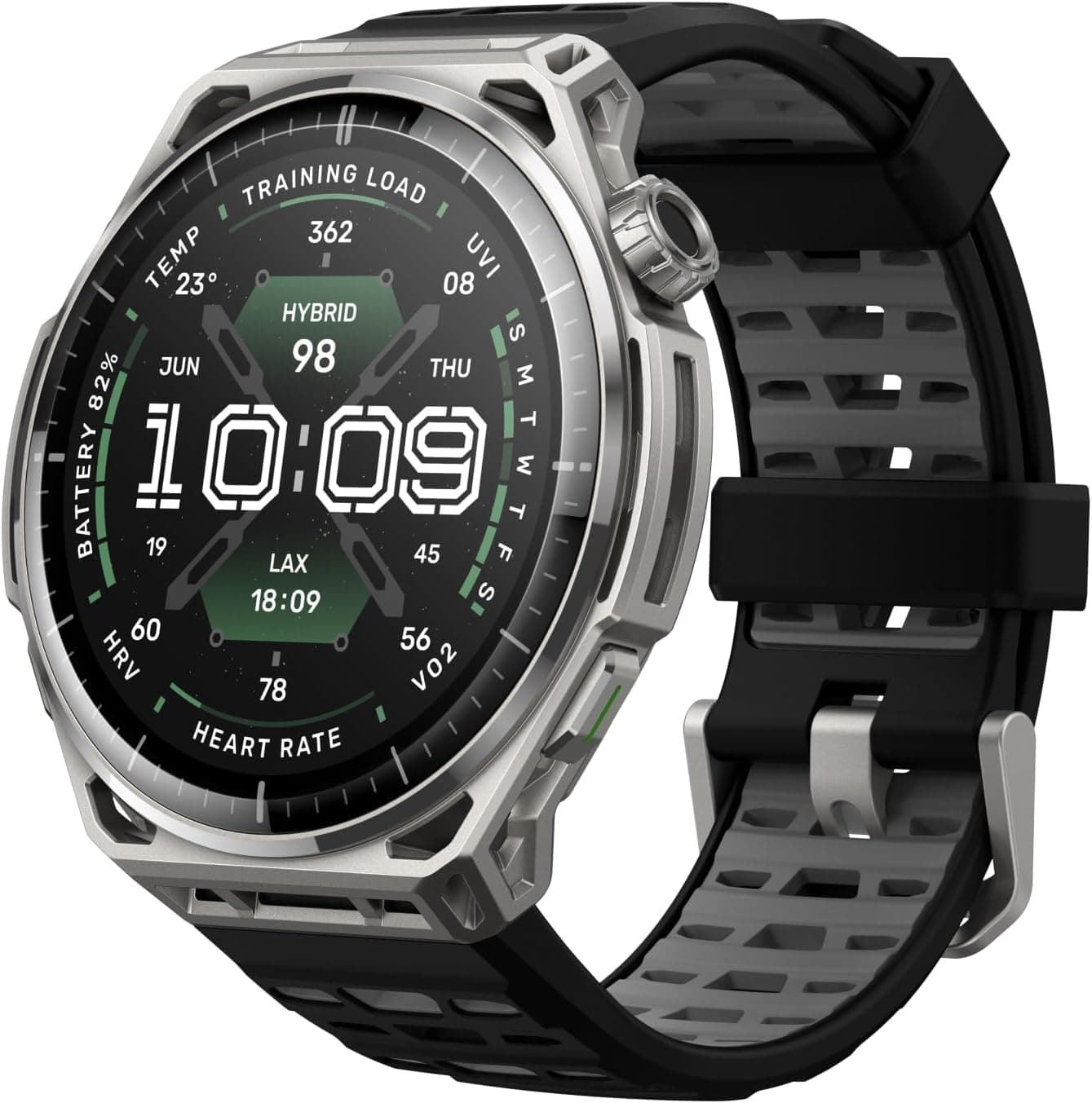
Amazfit Balance 3
A hybrid-training smartwatch from $369.99 with preloaded topographic and ski maps, a 3,000-nit sapphire display and up to 21 days of typical battery life.
- Best for
- Hybrid and multisport training with offline navigation
- Key differentiator
- Preloaded base, contour and ski maps with auto-rerouting, a 3,000-nit sapphire display and up to 41 hours of accurate-mode GPS
The Balance 3 moves Amazfit’s training watch upmarket: steel or Grade 5 titanium, a 3,000-nit sapphire display, four buttons, a flashlight, and base, contour and ski maps preloaded on 64 GB with auto-rerouting. Accurate-mode GPS rises to 41 hours while typical battery life stays at up to 21 days. The costs are size and reach — 51.4 mm and 55-62 g, and it now requires iOS 17 or Android 8 where the Balance 2 accepted iOS 15 and Android 7.
Good fit if
- You train across strength and endurance and want structured plans rather than step counts
- You want maps, route planning and auto-rerouting on the wrist, with no subscription
- You would rather charge a watch every two to three weeks than every night
Consider another option if
- You want Wear OS, watchOS or Samsung apps and the services tied to those ecosystems
- You want a smaller or lighter watch — this is 51.4 mm and 55-62 g before the strap
- Price
- From $369.99 (steel); $449.99 (titanium)
- Display
- 1.5" AMOLED, 480x480, sapphire glass, up to 3,000 nits
- Battery life
- Up to 21 days typical; 10 days heavy; 41 h accurate GPS
- Platform
- iOS 17.0+ and Android 8.0+ via the Zepp App
Consider if you want the same watch to work on iPhone and Android
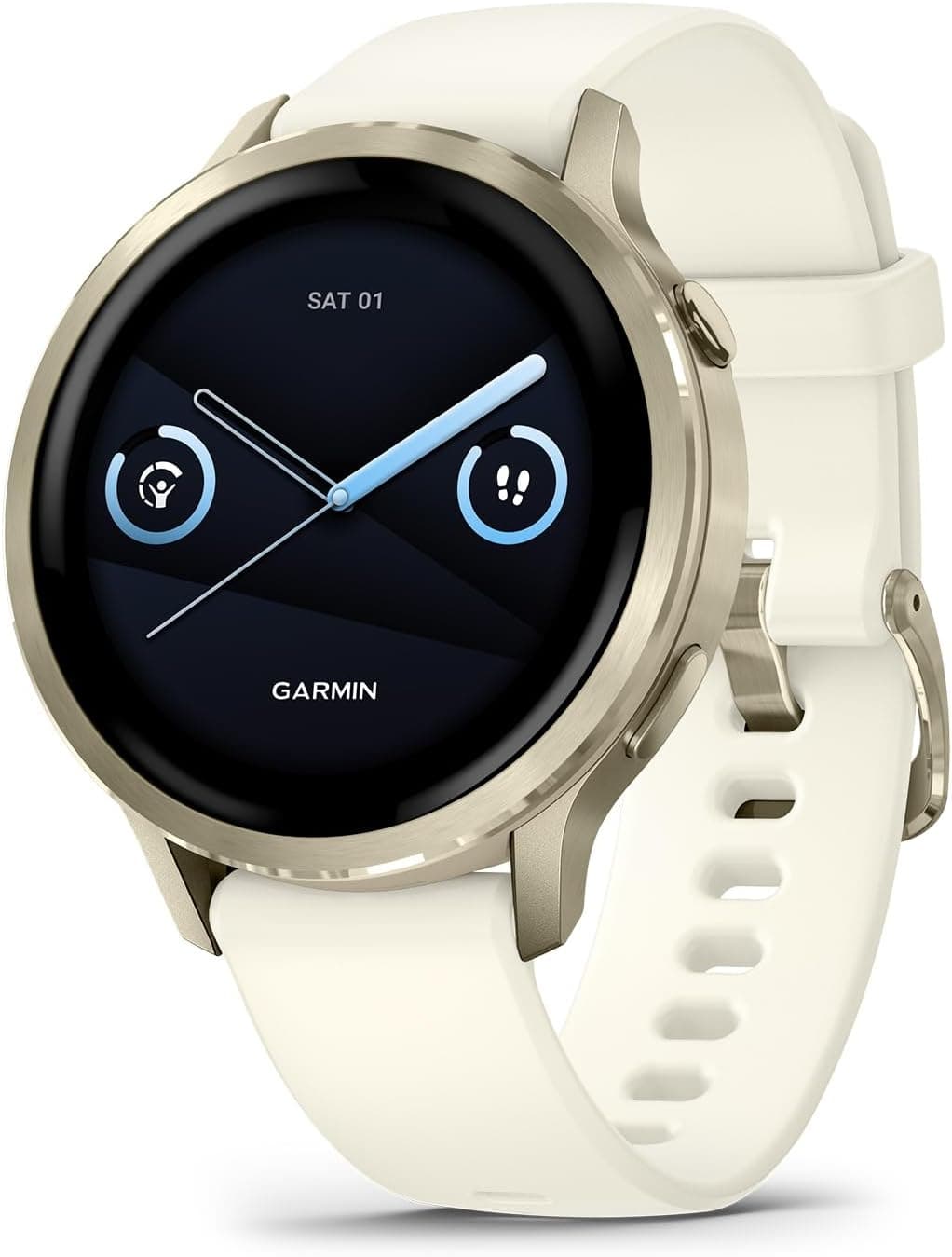
Garmin Venu 4
A fitness and wellness smartwatch from $549.99 with an AMOLED display, multi-band GPS and up to 12 days of battery, working with both iPhone and Android.
- Best for
- Multi-day battery with full training and recovery tracking
- Key differentiator
- Up to 12 days of battery with full Garmin training and recovery metrics
Venu 4 is Garmin's wellness-focused smartwatch rather than one of its running or outdoor watches. It runs the full Garmin health stack — Body Battery, HRV status, training readiness, sleep coaching, an ECG app — on an AMOLED touchscreen, with onboard music, payments, a speaker and a flashlight. The draw against most smartwatches is battery: 10 to 12 days in smartwatch mode instead of a day. It works the same on iPhone and Android, and needs no subscription.
Good fit if
- You want smartwatch features and detailed fitness metrics in one device
- You would rather charge weekly than nightly
- You want training readiness, Body Battery and recovery tools without a subscription
Consider another option if
- You want the deepest possible integration with the iPhone ecosystem
- You want a screen-free band you can forget you are wearing
- Price
- Starting at $549.99
- Display
- AMOLED touchscreen, optional always-on
- Battery life
- 41mm: up to 10 days; 45mm: up to 12 days
- Platform
- iPhone and Android via Garmin Connect
Consider if you want a ring instead of something on your wrist
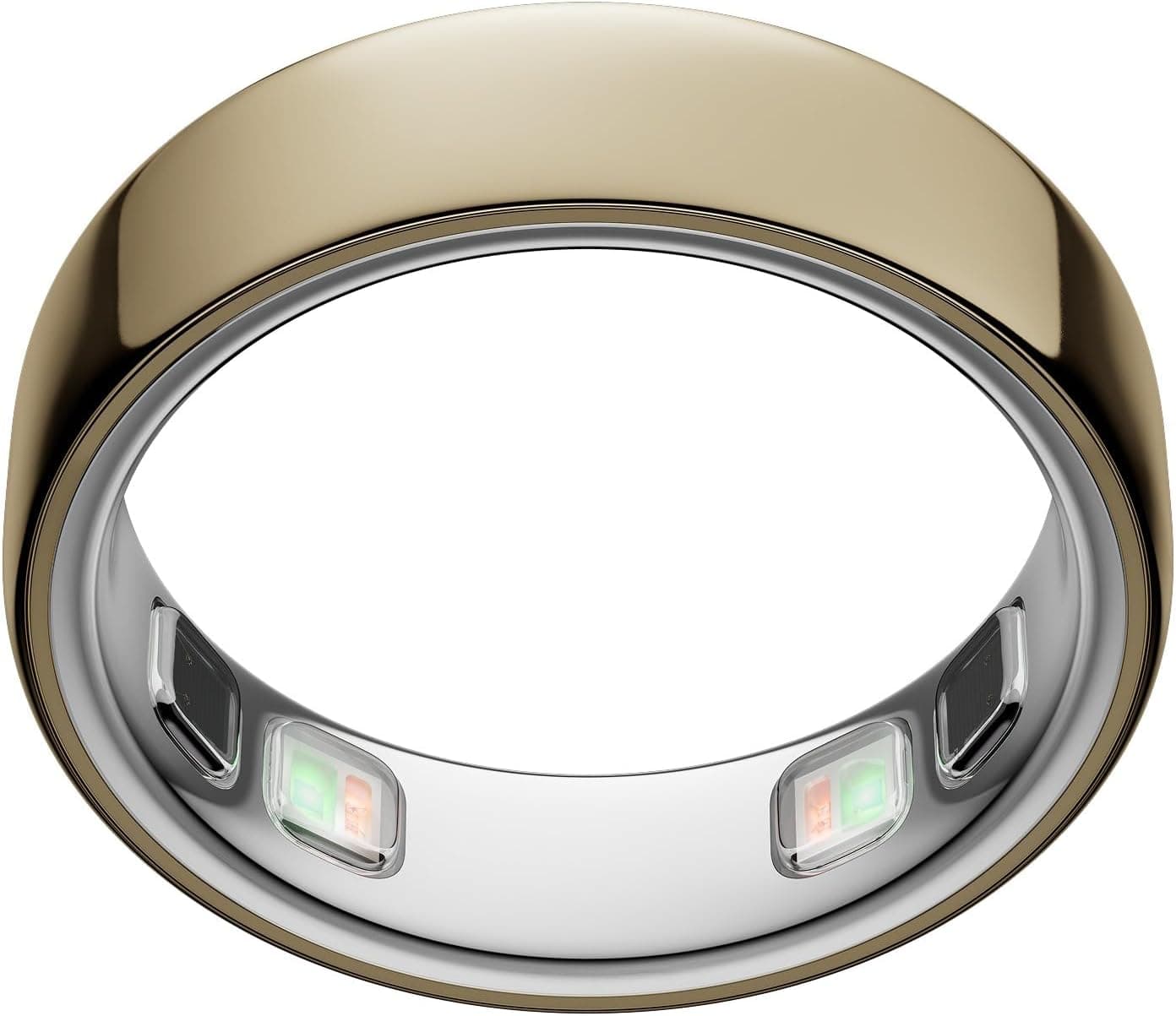
Oura Ring 5
A screenless titanium smart ring from $399 that tracks sleep, readiness and recovery around the clock, with an Oura Membership for the full app experience.
- Best for
- Detailed sleep, readiness and recovery tracking in a ring
- Key differentiator
- A 2-gram titanium ring with 6-9 day battery, read entirely through the app
Oura Ring 5 puts continuous health tracking in a titanium band you wear instead of a watch. There is no screen: the ring collects data and everything is read in the Oura App, which suits people who want the data without anything on their wrist to look at. It is built around sleep, readiness and recovery rather than workouts, and has no GPS of its own. The hardware is bought outright from $399, but the full app experience needs a membership at $5.99/mo or $69.99/yr after the included first month.
Good fit if
- You want detailed sleep tracking from something you can forget you are wearing
- You would rather wear a ring than a watch or a wrist band
- You want daily readiness and recovery guidance rather than workout controls
Consider another option if
- You want a screen for the time, notifications or live workout stats
- You need GPS on the device itself rather than through your phone
- Price
- From $399 (Silver, Black); other finishes $499
- Display
- Screenless — data read in the Oura App
- Battery life
- Typically 6-9 days
- Platform
- iOS 16+ and Android 11+
Consider if you have a Samsung Galaxy phone and want no membership
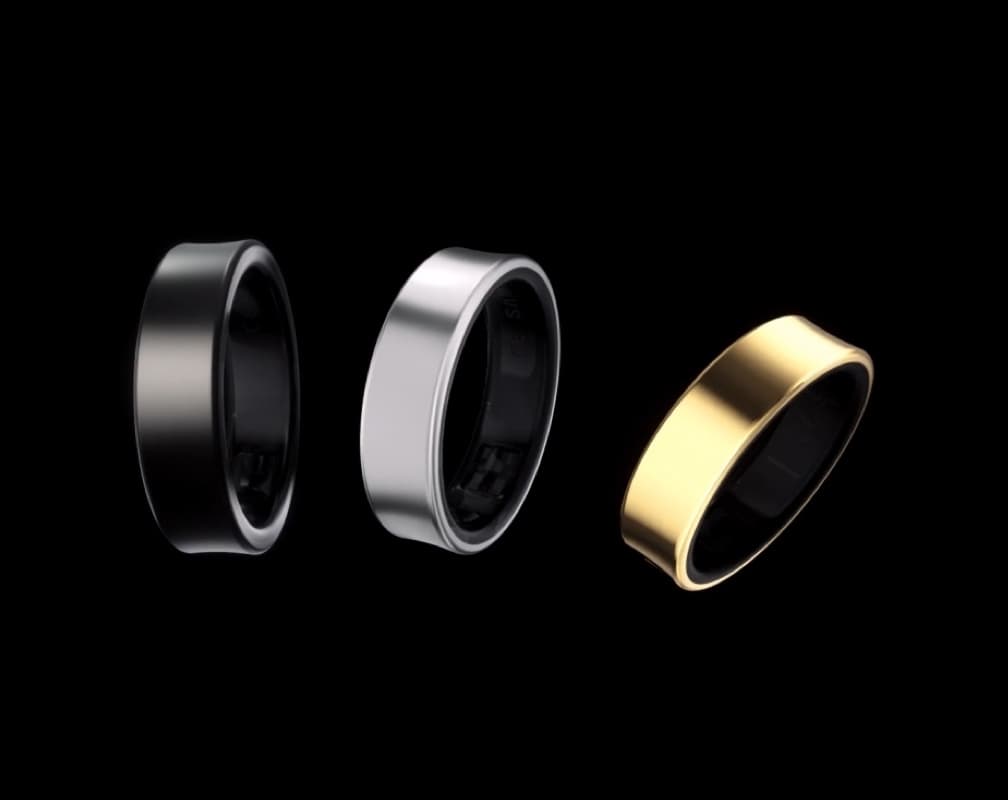
Samsung Galaxy Ring
Samsung's screenless titanium smart ring from $299.99, tracking sleep, heart rate and an Energy Score through Samsung Health — and it needs a Galaxy phone.
- Best for
- Samsung Galaxy owners wanting screenless sleep and health tracking
- Key differentiator
- A titanium ring with no subscription at all, but it needs a Samsung Galaxy phone to work
Galaxy Ring is Samsung's screenless tracker: a titanium ring that reads sleep, heart rate and skin temperature from three sensors and sends it all to Samsung Health. Its draw against Oura is the bill — there is no membership at all, so $299.99 is the whole cost, where a rival ring adds a monthly fee for its full app. The catch sits at the other end: Samsung states a Samsung account must be registered on a Samsung Galaxy phone to start using it. Outside Samsung's phones, look elsewhere.
Good fit if
- You already use a Samsung Galaxy phone and Samsung Health
- You want a screenless tracker you can forget you are wearing
- Sleep, recovery and an everyday readiness score are your priority
Consider another option if
- You use an iPhone, or an Android phone that is not a Samsung Galaxy
- You want a screen, notifications or smartwatch apps
- Price
- From $299.99
- Display
- Screenless — data read in Samsung Health
- Battery life
- Up to 7 days (sizes 12-13); up to 6 days smaller
- Platform
- Samsung Galaxy phone and Samsung account required
Consider if you want week-long tracking at the lowest published price
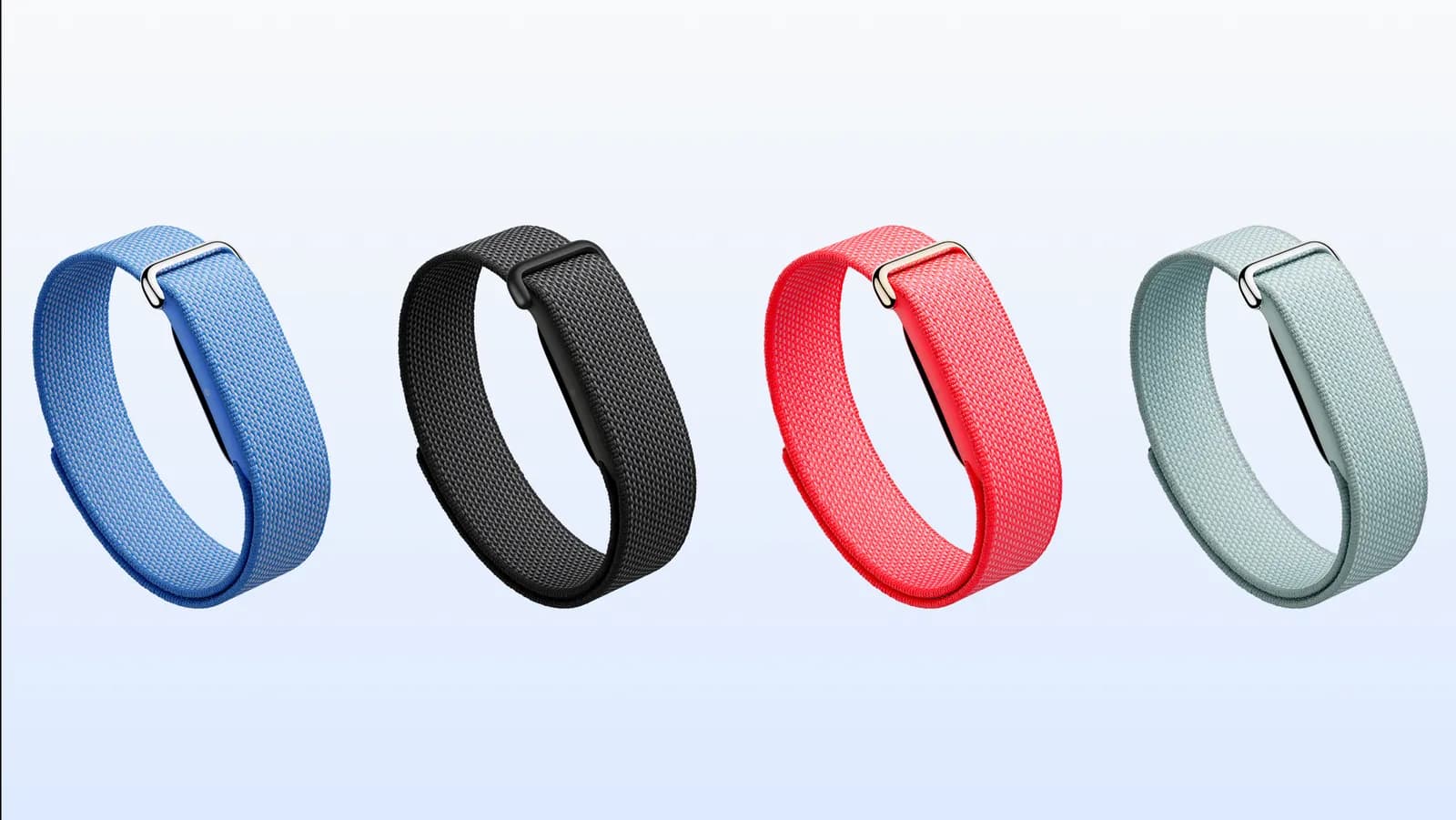
Google Fitbit Air
Google's smallest screenless tracker: a $99.99 band that monitors heart rate, sleep and SpO2 around the clock through the Google Health app.
- Best for
- Low-cost round-the-clock health and sleep tracking
- Key differentiator
- Screenless tracker bought outright at $99.99, with no subscription needed for the device itself
Fitbit Air is Google's attempt to make continuous health tracking cheap and easy to forget about. It has no screen, weighs almost nothing and costs $99.99 outright, with no subscription required to use the device. The catch is that the coaching layer most of the marketing describes sits behind Google Health Premium, which is $9.99/mo once the included three-month trial ends.
Good fit if
- You want continuous health tracking without a screen or notifications
- You would rather buy a device once than pay a yearly membership
- Sleep tracking matters and you want something light enough to forget overnight
Consider another option if
- You want a screen for the time, notifications or workout stats
- You want the coaching features without paying for Google Health Premium
- Price
- $99.99
- Display
- None — screenless band
- Battery life
- Up to 1 week
- Fast charging
- A full day of power in 5 minutes
Consider if you want strain and recovery data with no screen
WHOOP
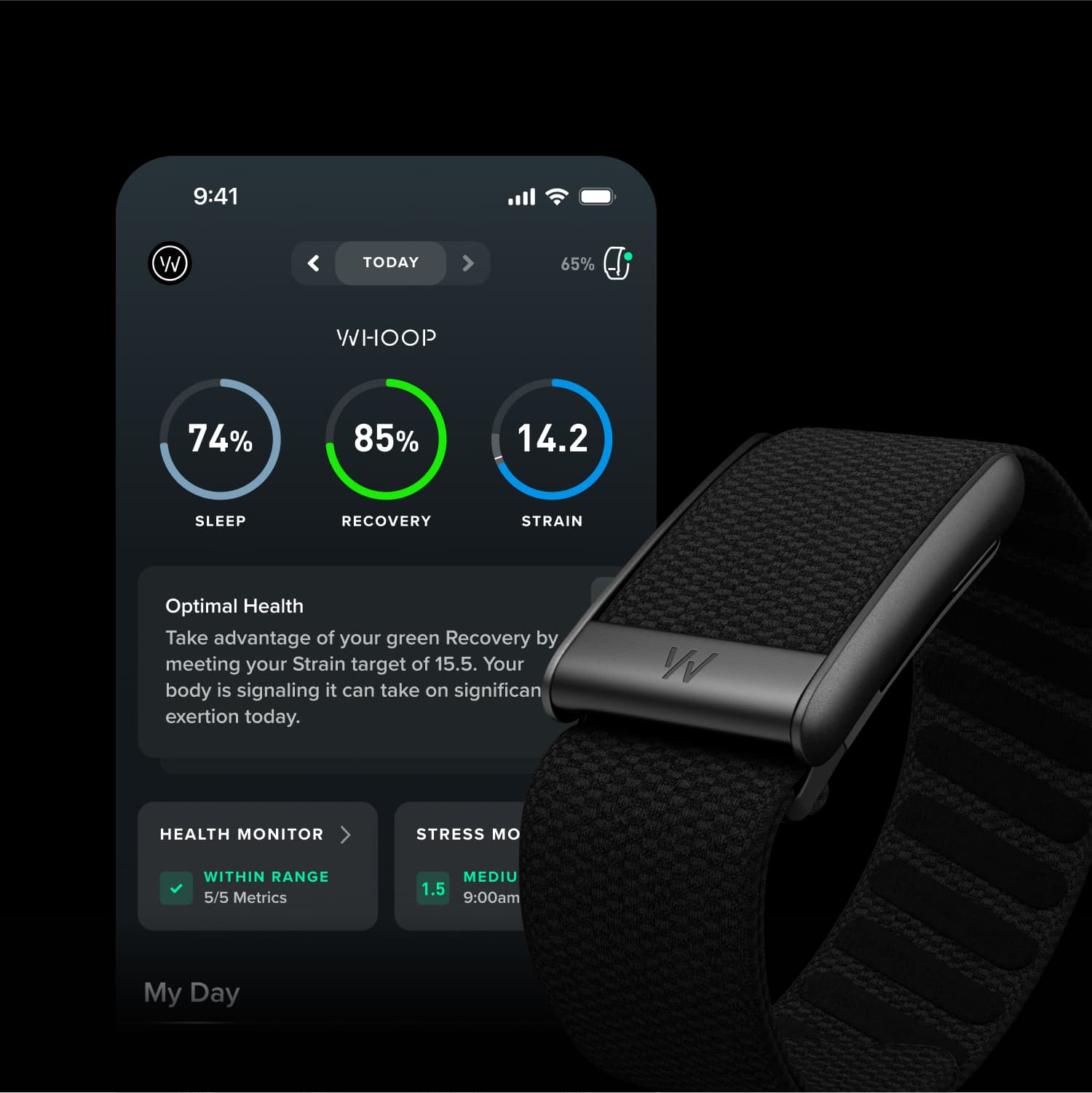
A screen-free fitness and health wearable focused on recovery, strain, sleep and long-term performance insights through a subscription-based membership.
- Best for
- Continuous recovery, sleep and strain tracking
- Key differentiator
- Screen-free band sold as a membership, focused on recovery and long-term health metrics
WHOOP is built for people who want to understand how their body is recovering, not to read notifications on their wrist. The hardware has no screen and is sold through a yearly membership that bundles the device, so the decision is less about the band than about committing to a subscription and actually using the daily guidance.
Good fit if
- You want recovery, sleep and strain scores every day rather than a watch face
- You would rather not have a screen or notifications on your wrist
- You train regularly and will act on daily recovery guidance
Consider another option if
- You want a watch that shows the time, notifications or maps
- You prefer a one-off purchase with no recurring fee
- Pricing
- Membership from $199/yr
- Battery life
- 14+ days
- Display
- None — screen-free band
- Water resistance
- IP68, up to 10 m
How we selected these options
Every product here publishes a typical-use battery figure of at least six days in its own documentation. The catalogue splits cleanly on that line: everything excluded is quoted in hours — 50 at the longest — and everything included is quoted in days. No figure here is ours; all of them are the manufacturer's.
How to choose
Start with the form factor, because it decides more than the number does. A watch shows you the data and can navigate; a ring disappears but has nothing to read; a screenless band sits between the two. Then check the phone you carry and whether a membership is required, because two of the six keep costing money after you buy them.
Why there is no ranking here
We do not order these from first to last, and none of them is singled out as the right answer. Each one meets the same need in a different shape, and which one fits depends on what you are willing to trade.
Compare these products
How we choose
Every figure on this page comes from the manufacturer's own documentation. We do not test products ourselves, we publish no ratings, and the options above are not ordered from best to worst — read how we evaluate products, or browse the full wearables category.