Wearables
What kind of wearable are you looking for?
The products here differ less in what they measure than in how you live with them: the form factor you wear, the phone they work with, whether you charge weekly or nightly, how far the training and recovery data goes, and whether anything keeps costing money after you buy. Every figure comes from the manufacturer's own documentation — how we evaluate products.
Smartwatches
The widest range in the category. Battery runs from about a day to three weeks depending on the watch, and the two that work with any phone sit at the long end. Four of the six are tied to one phone platform.
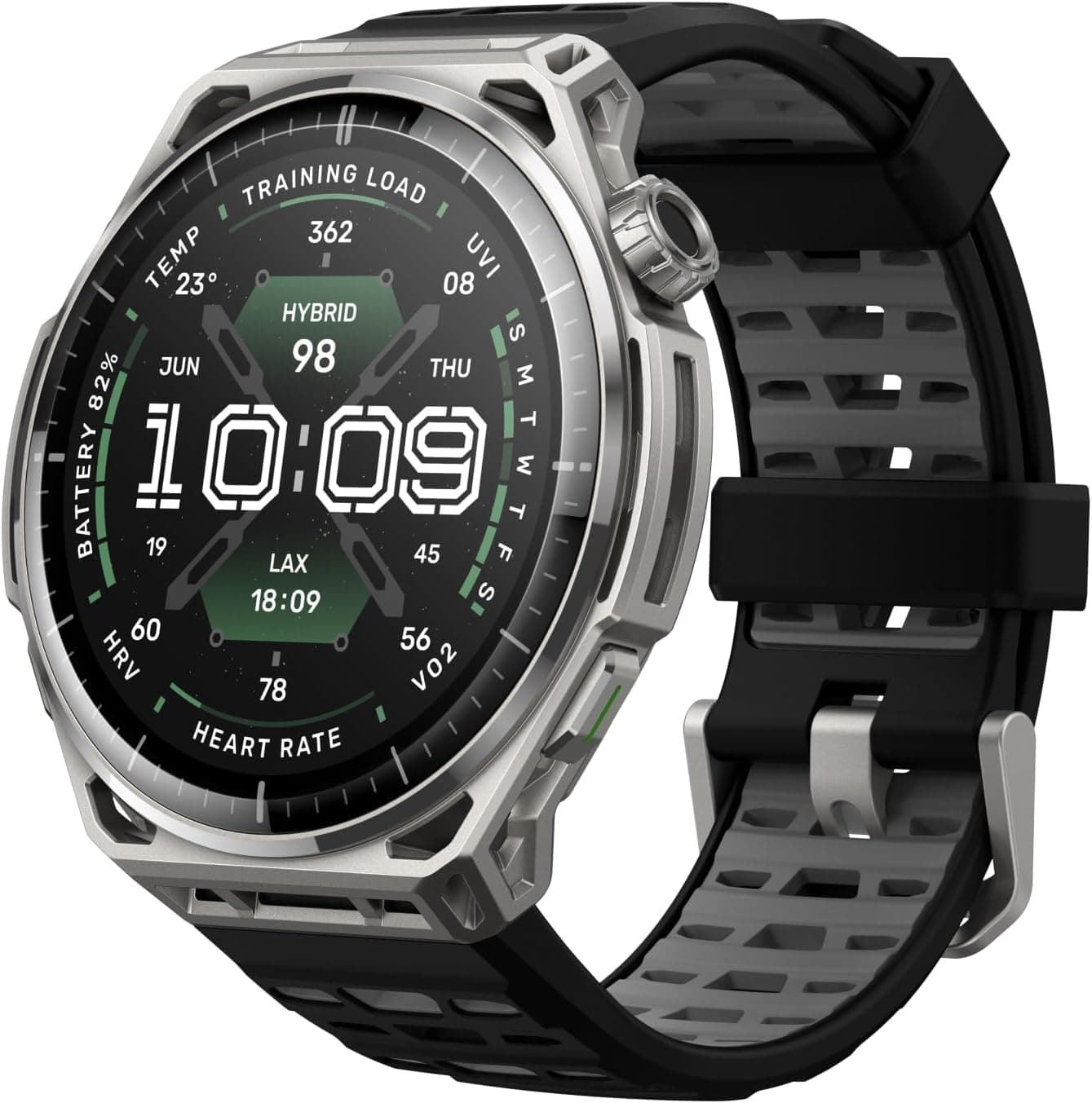
Amazfit Balance 3
Wearables
A hybrid-training smartwatch from $369.99 with preloaded topographic and ski maps, a 3,000-nit sapphire display and up to 21 days of typical battery life.
View product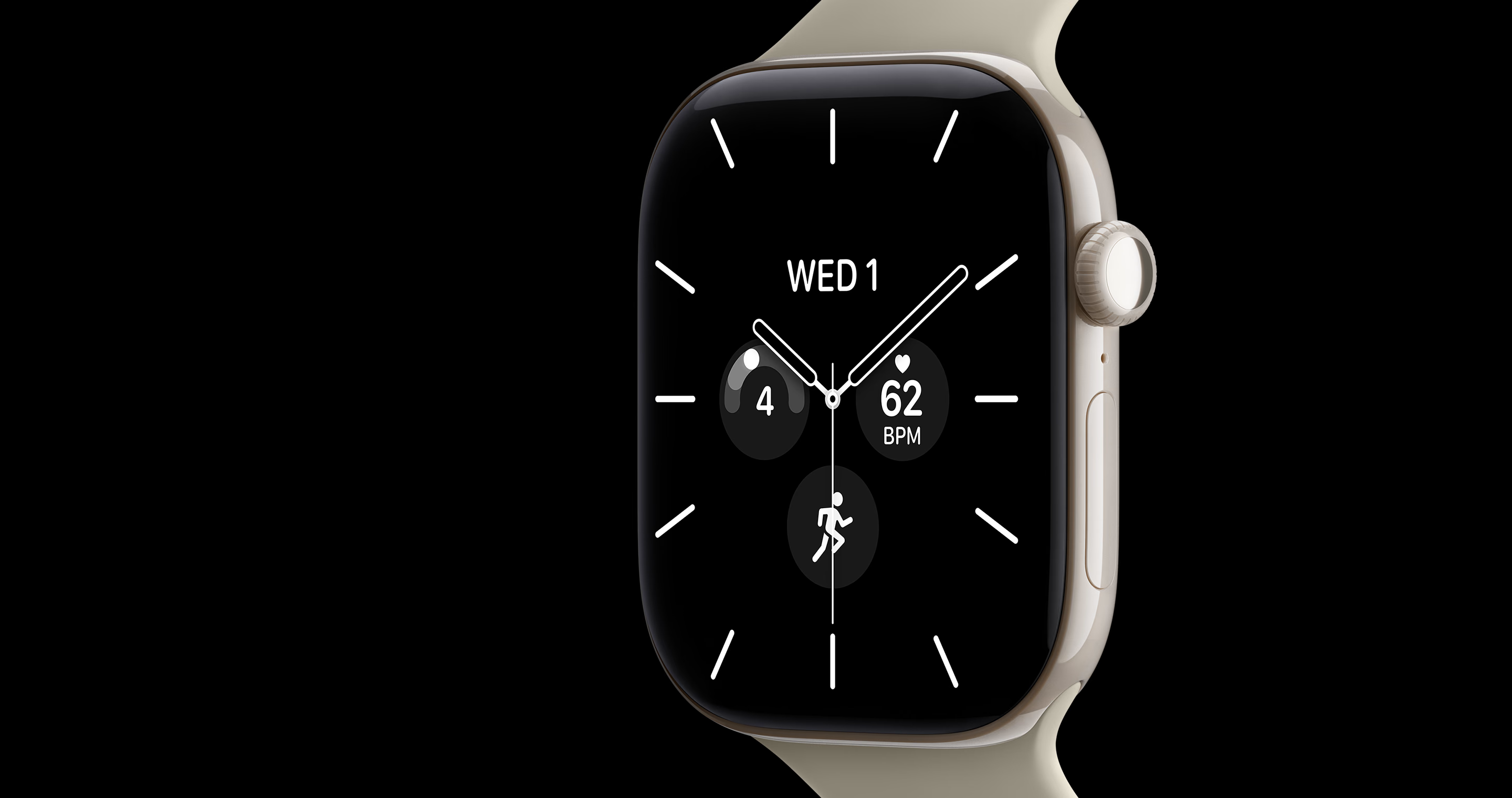
Apple Watch Series 12
Wearables
Apple's flagship smartwatch from $399: a full watch with apps and notifications, plus a redesigned health sensing system, readiness and sleep scores.
View product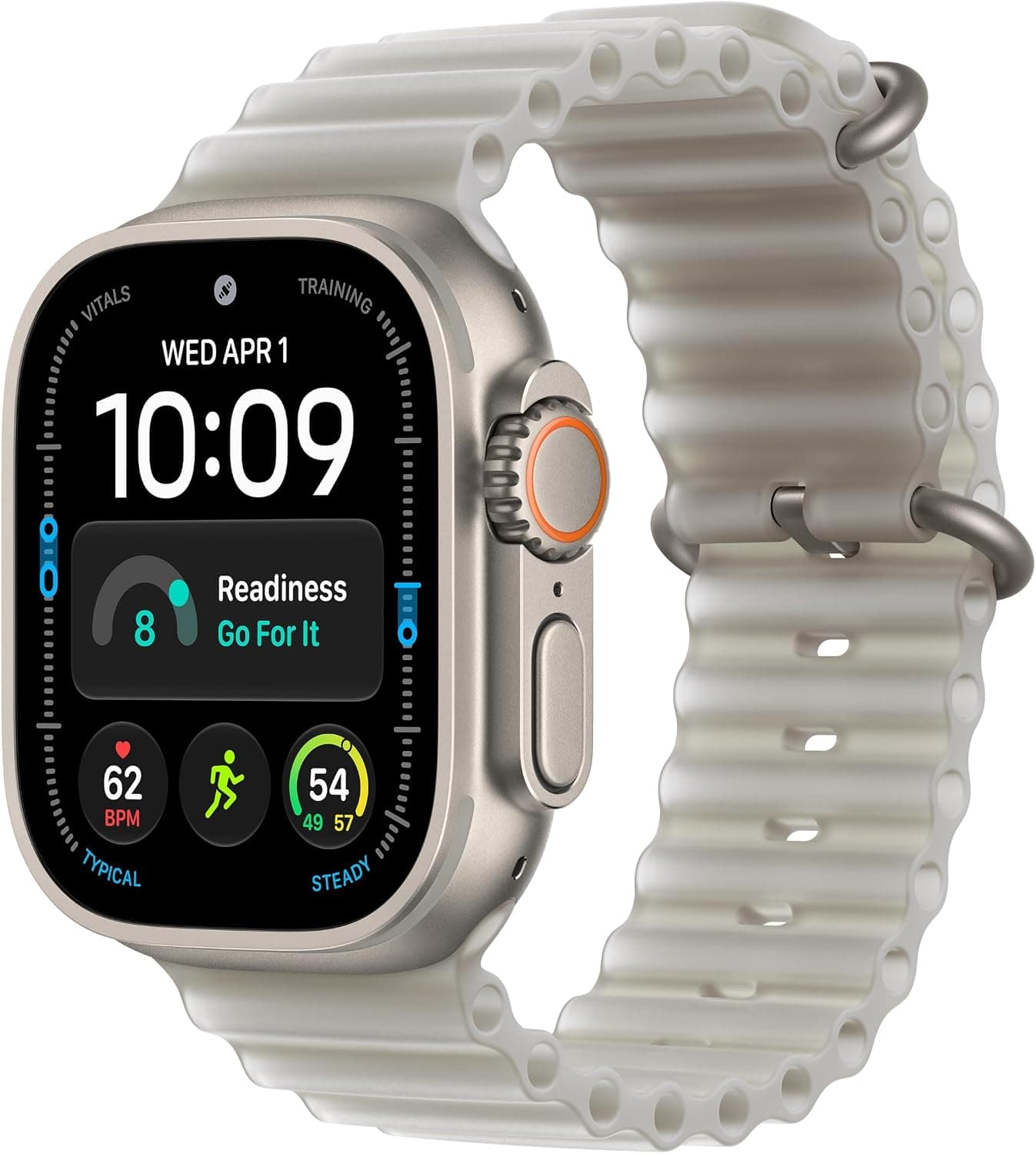
Apple Watch Ultra 4
Wearables
Apple's rugged 49mm titanium smartwatch from $799, with up to 50 hours of battery, dual-frequency GPS, scuba to 40m and satellite messaging.
View product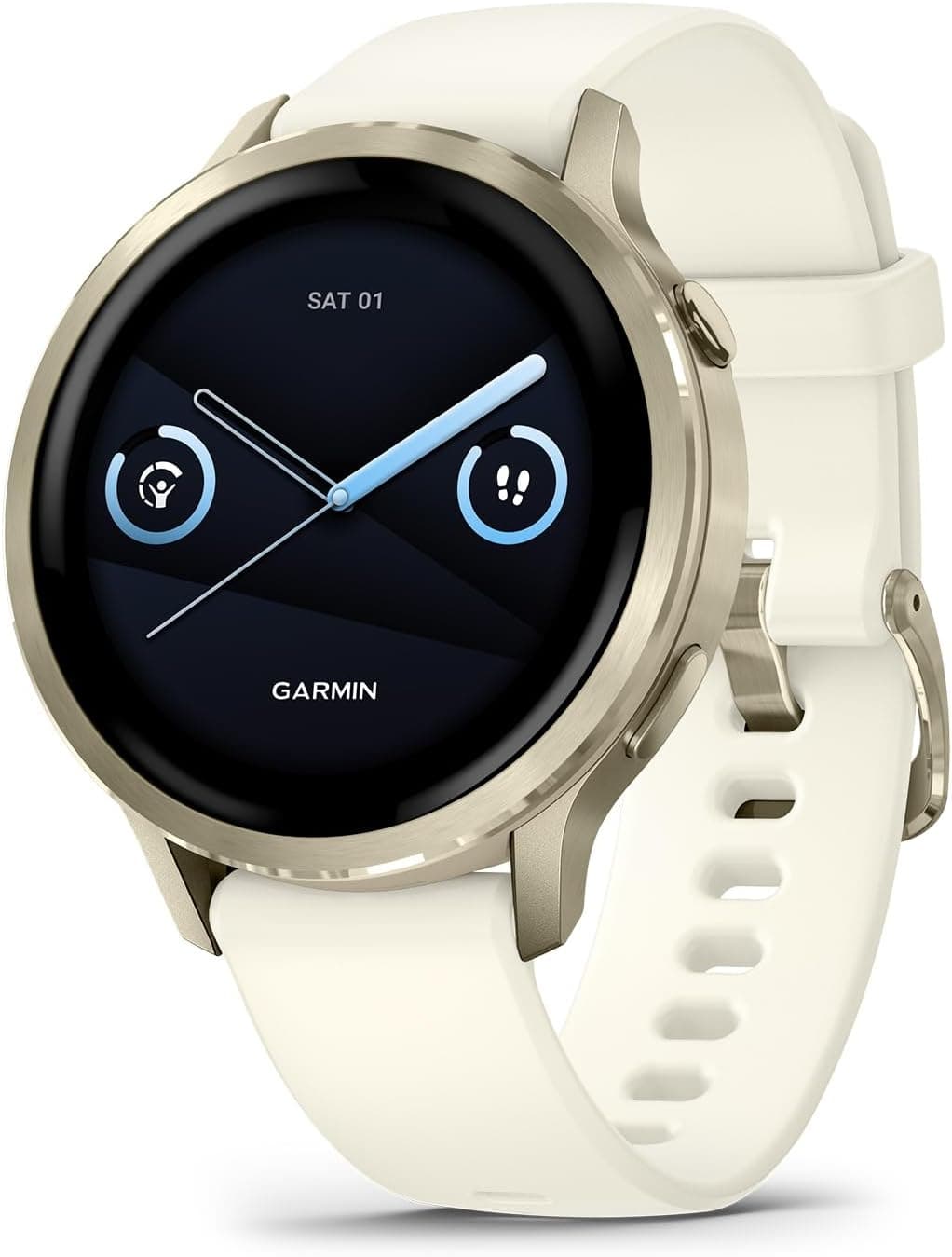
Garmin Venu 4
Wearables
A fitness and wellness smartwatch from $549.99 with an AMOLED display, multi-band GPS and up to 12 days of battery, working with both iPhone and Android.
View product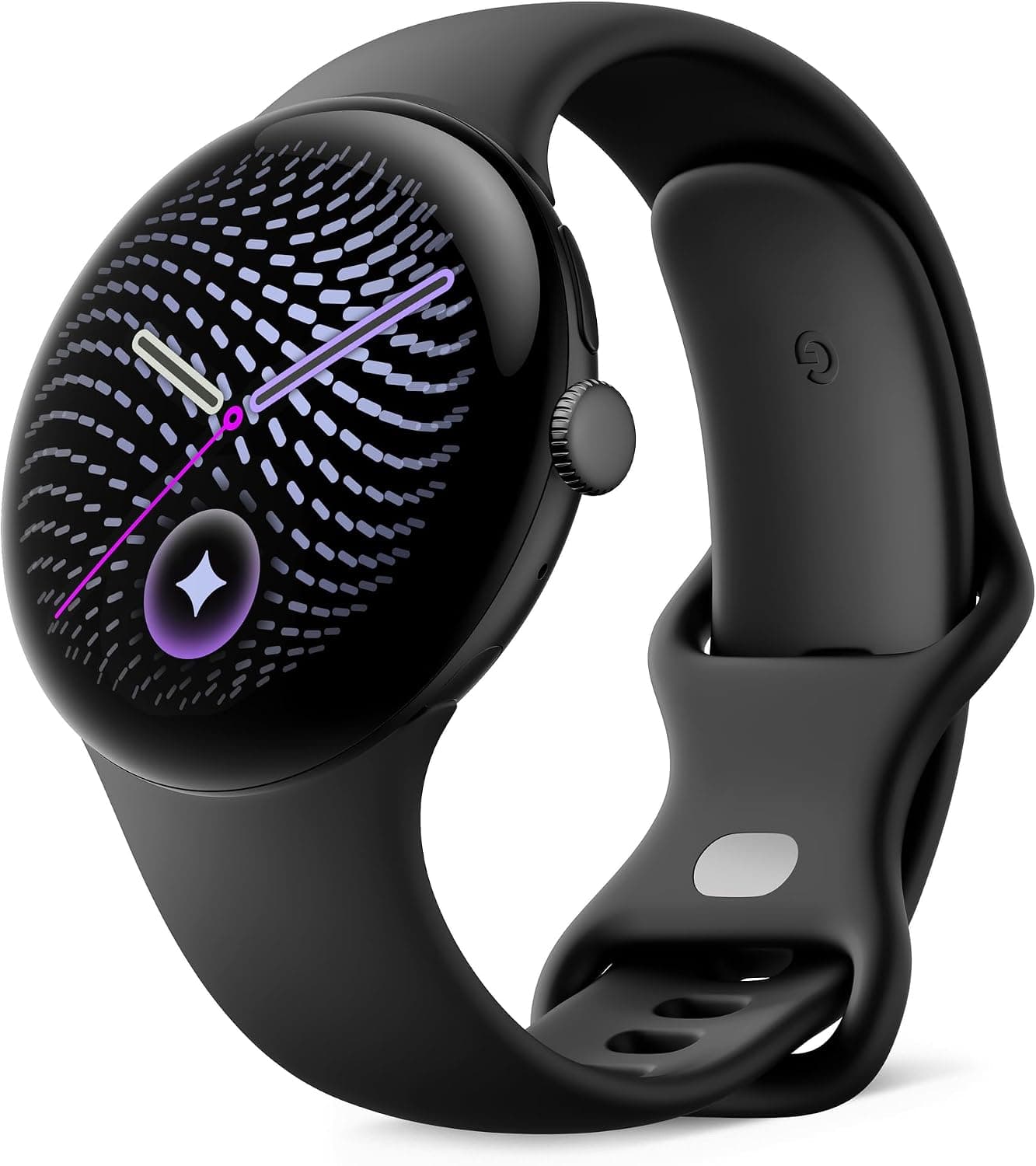
Google Pixel Watch 5
Wearables
Google's Android smartwatch from $399, with a 3,000-nit display, dual-frequency GPS, Fitbit health tracking and Health Guardian trends at no extra cost.
View product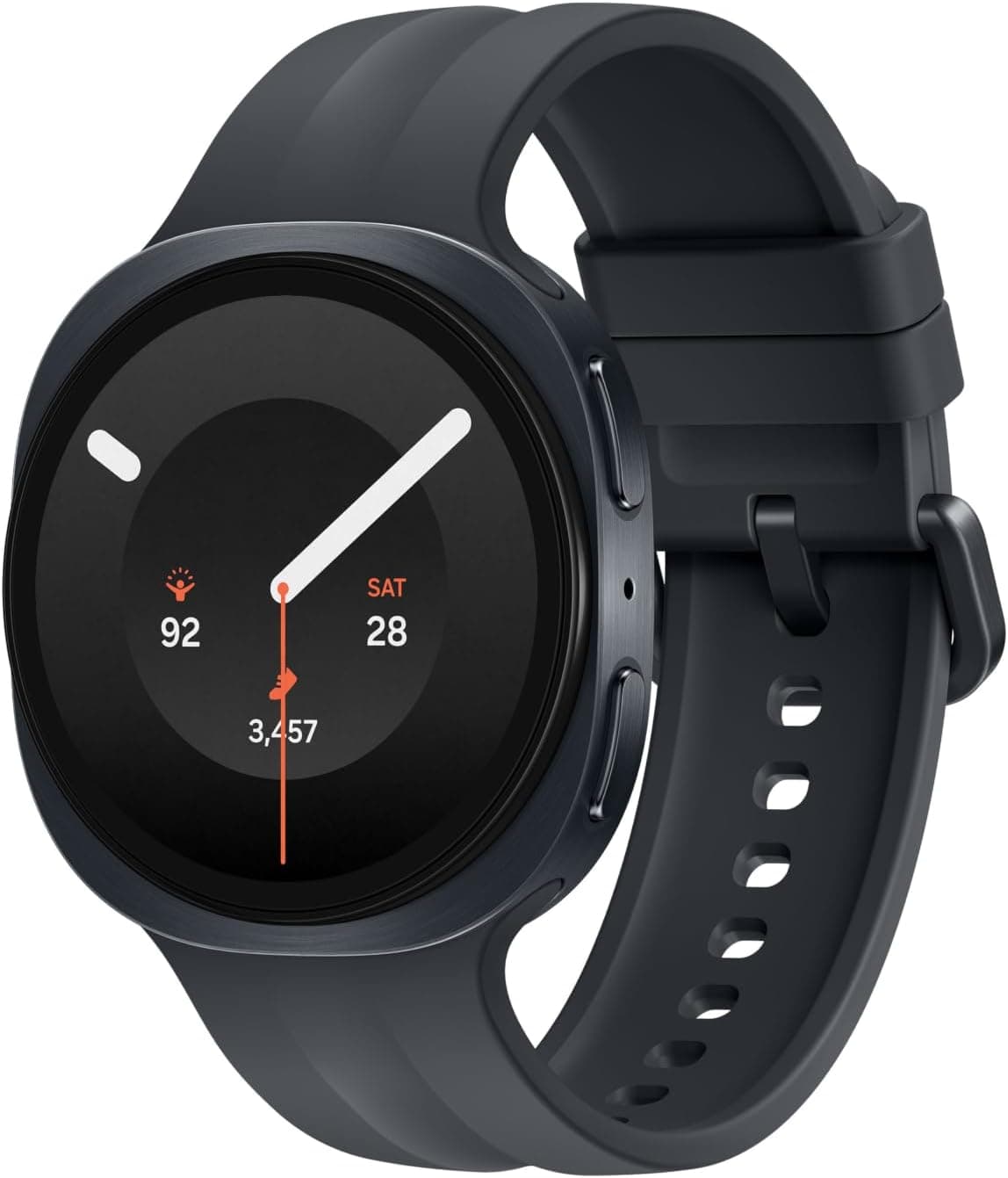
Samsung Galaxy Watch9
Wearables
Samsung's Android smartwatch from $379.99, with a 3,000-nit sapphire display, FDA-cleared sleep apnea detection, Energy Score and Google Gemini on the wrist.
View productApple Watch Series 12 vs Garmin Venu 4Platform, battery and training depth are the main tradeoffs: iPhone-only and nightly, or both phones and ten days.
Smart rings
Nothing to glance at and nothing to interact with, which is the point. Both are quoted in days rather than hours, neither records a workout with its own GPS, and one of the two requires a Samsung Galaxy phone to work at all.
Oura Ring 5
Wearables
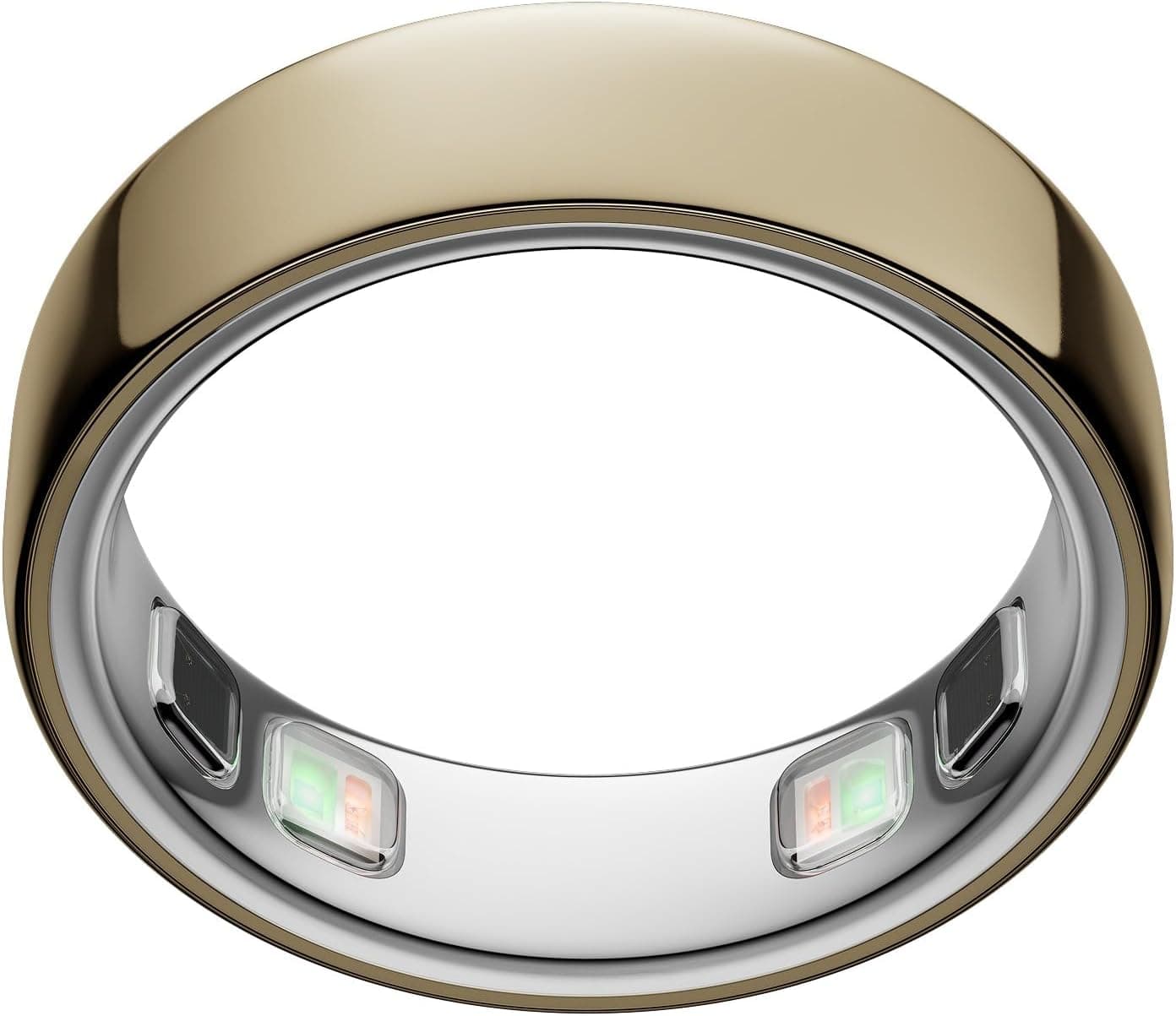
A screenless titanium smart ring from $399 that tracks sleep, readiness and recovery around the clock, with an Oura Membership for the full app experience.
View product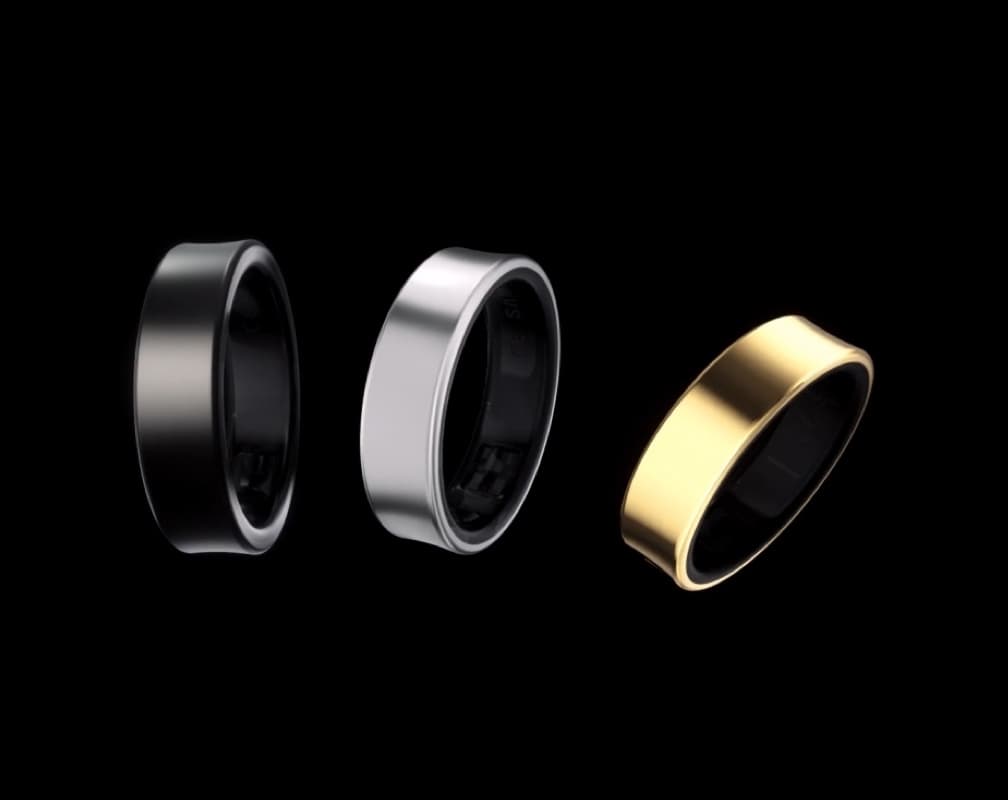
Samsung Galaxy Ring
Wearables
Samsung's screenless titanium smart ring from $299.99, tracking sleep, heart rate and an Energy Score through Samsung Health — and it needs a Galaxy phone.
View productOura Ring 5 vs Samsung Galaxy RingTwo titanium rings separating on ongoing cost and reach: no subscription but Samsung-only, or any phone with a membership.
Screenless bands
Continuous tracking with nothing to look at, read in the app like a ring but worn like a watch. Both are quoted in days, and both carry a recurring cost — one as a required membership, the other as an optional premium tier.
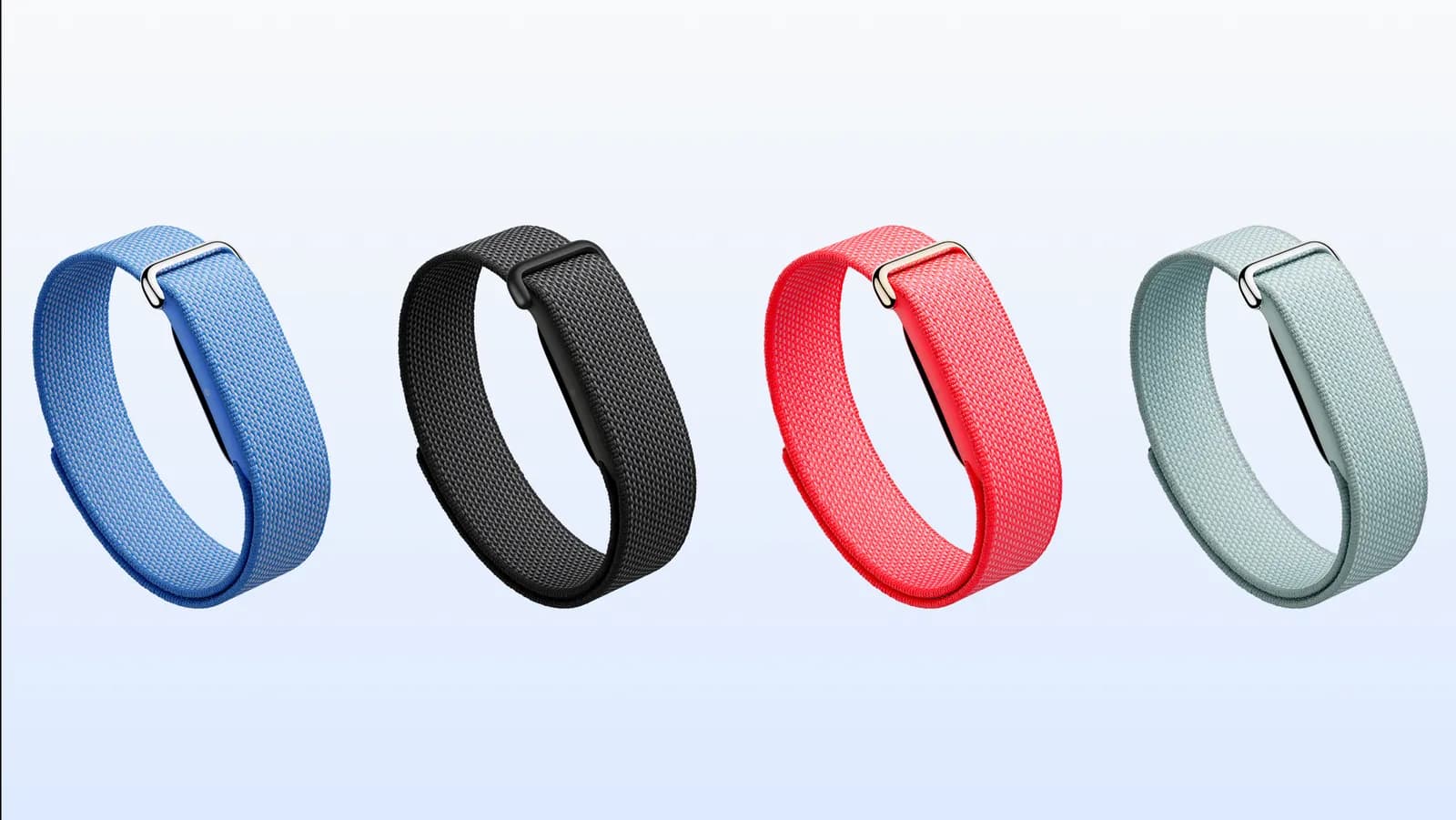
Google Fitbit Air
Wearables
Google's smallest screenless tracker: a $99.99 band that monitors heart rate, sleep and SpO2 around the clock through the Google Health app.
View product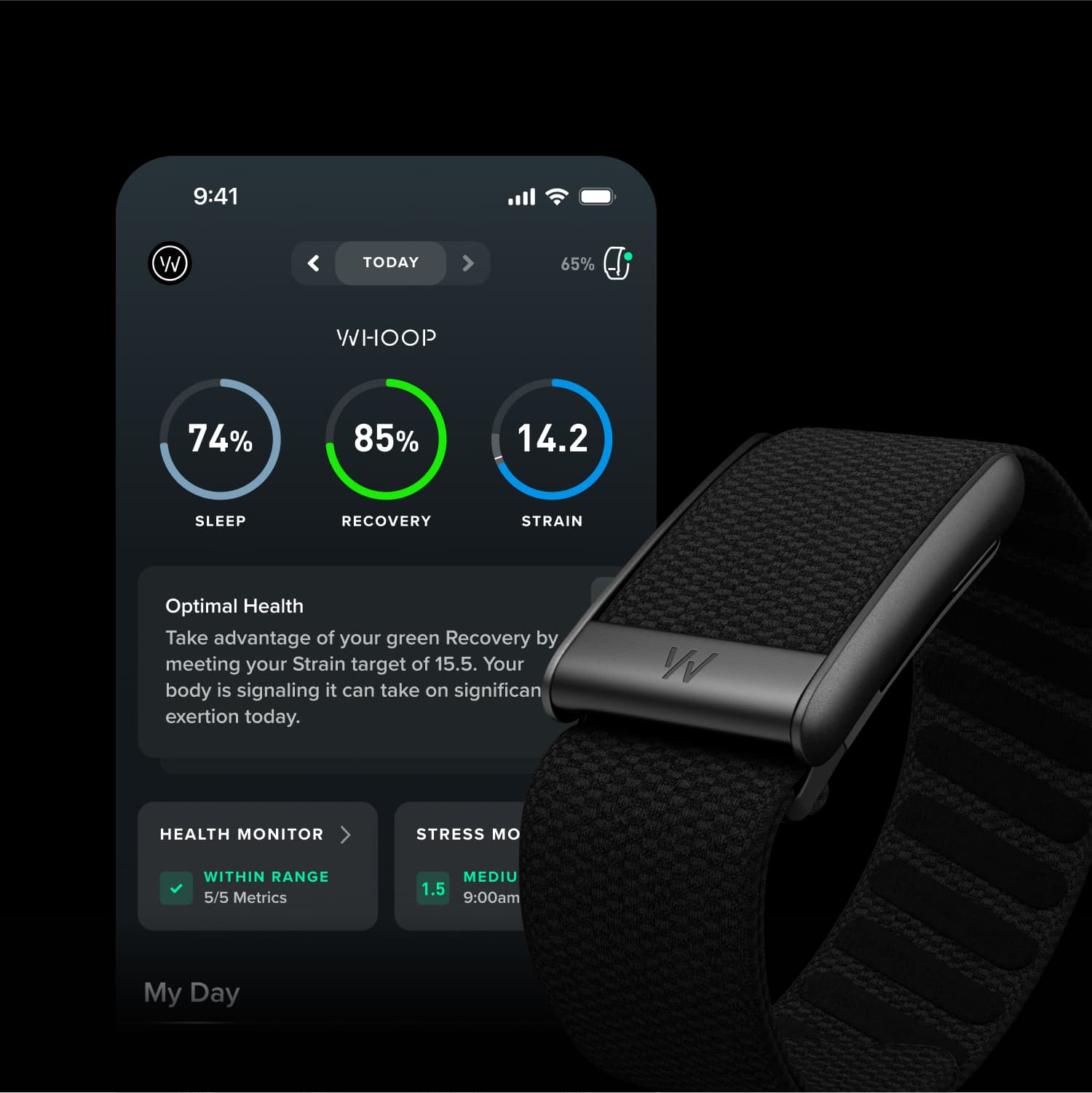

WHOOP
Wearables
A screen-free fitness and health wearable focused on recovery, strain, sleep and long-term performance insights through a subscription-based membership.
View productWHOOP vs Google Fitbit AirBoth screenless bands — a yearly membership and recovery depth against a one-off price and everyday tracking.